a true story about belonging
Everyone Laughed. She Didn't.
The whole table cracks up at once, and my girl is the only one who doesn't know why.
the realization
I couldn't make the joke funny for her, and trying just made her feel more on the outside. What she needed was for one person to leave the laughing and come sit on her side of it.
We were all at the table and something got said, I don't even remember what, and everyone just cracked up at the same time. Mia laughed a beat too, that copycat laugh kids do when they don't want to be the only one not laughing. Then she asked it. Really small. "What's funny?" Nobody heard her over themselves.
have you ever felt this way too?
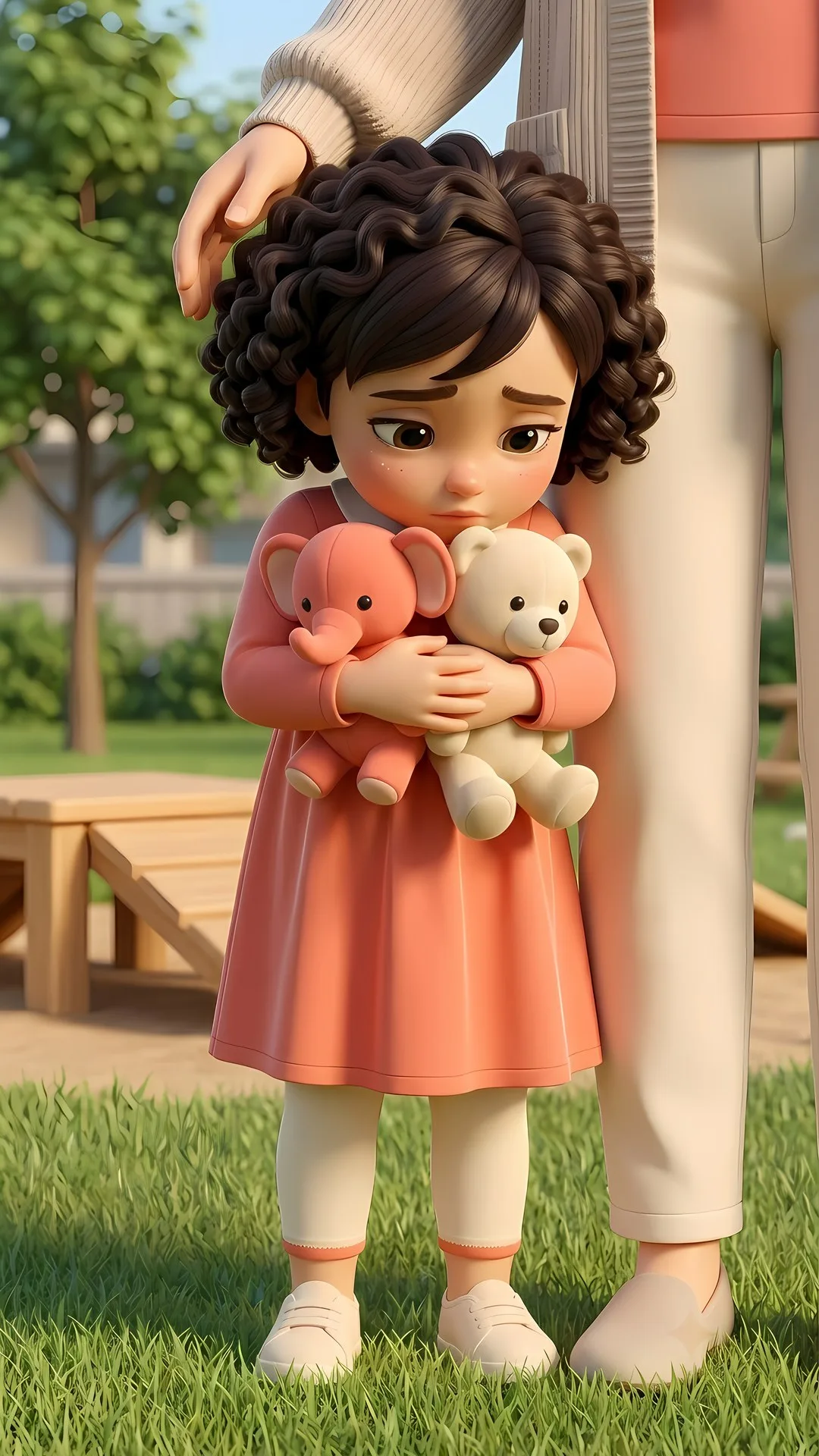
Her shoulders came down. She went quiet in that way that isn't peaceful, it's the opposite. She got small in her chair. And my first move was so dumb looking back. I tried to sell her the joke. "It's funny, see? Come on, laugh with us!" Like if I explained it hard enough she'd feel included. Her face just closed up more. The harder I pushed the joke, the further outside she got.
So I quit. I stopped laughing, which honestly felt strange with everyone still going. I dragged my chair around the corner of the table so I was right beside her instead of across from her. Didn't fix anything. Just moved.
Then I said the plain thing. "Everybody laughed and you didn't. Felt like being on the outside, huh." And because it's true, I told her, "I'm the last one to get it sometimes too." She leaned into my arm and stayed there. Back inside the warm part.
what I found myself saying
"Everybody laughed and you didn't. Felt like the outside, huh."
"I'm the last one to get it sometimes too."
"I'm gonna sit right here by you."