a true story about loss & repair
It Was Never About the Cracker
One cracker snaps in half, and my whole kitchen goes underwater in three seconds flat.
the realization
I kept trying to fix the object when there was nothing broken about the object. Once I stopped solving and just said out loud what I saw, she didn't need the cracker fixed. She needed me next to her while it was.
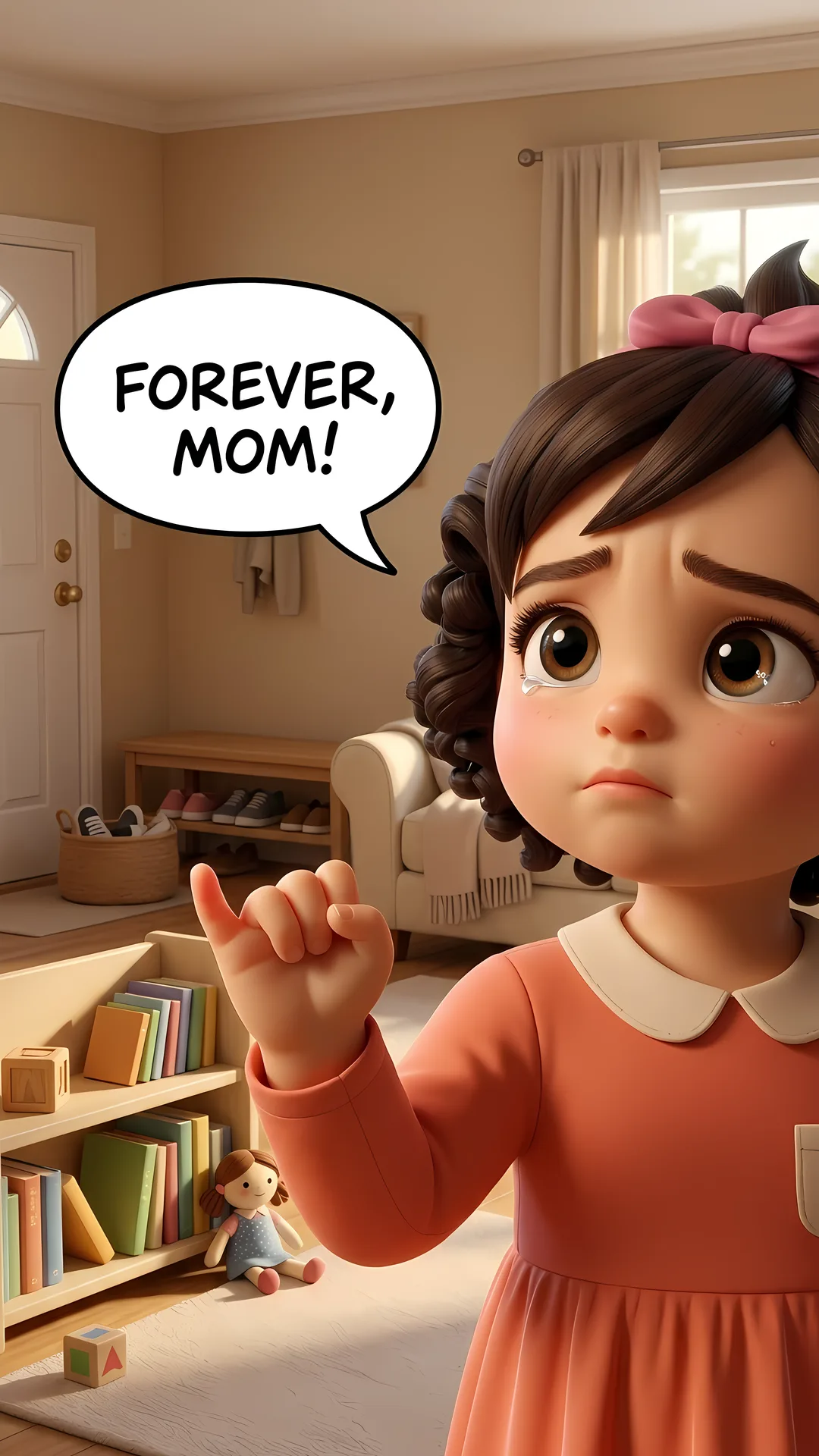
It snapped in half in her hand. That was it. That was the whole disaster. One second she's fine, the next she's on the floor like the floor came up to meet her, and I'm standing there holding a box of the exact same crackers.
have you ever felt this way too?
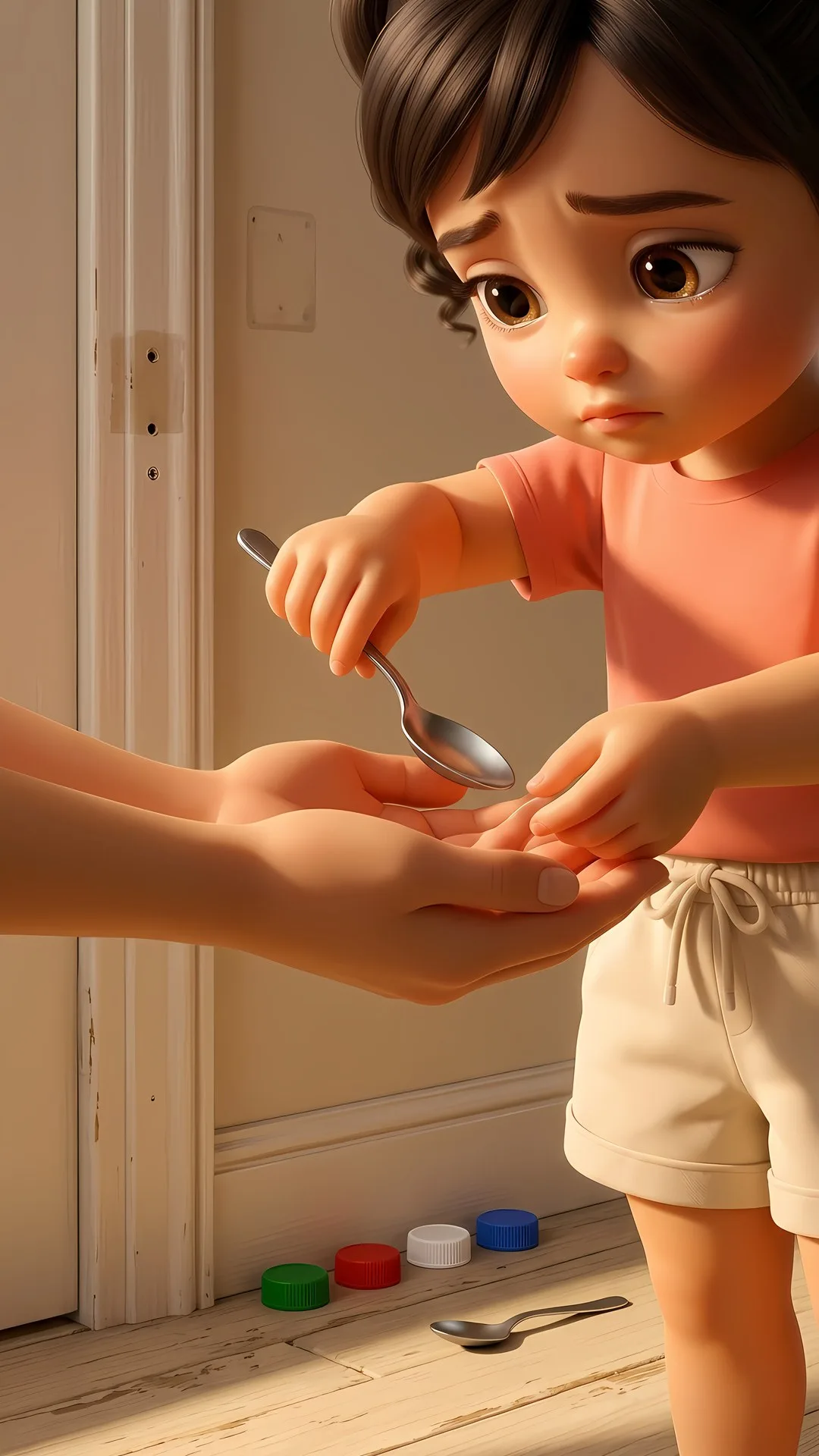
So I did the obvious thing. I handed her a new one, a perfect one, both halves still together. See? Here. Good as new. And she wouldn't even look at it. It sat on her knee, whole and completely pointless, while she cried harder.
And there they both were, the broken one and the perfect one, side by side, and neither one mattered. That's when it landed for me. I was trying to fix the rain. There was no fixing here. There was just a very small person who lost something small and felt it huge.
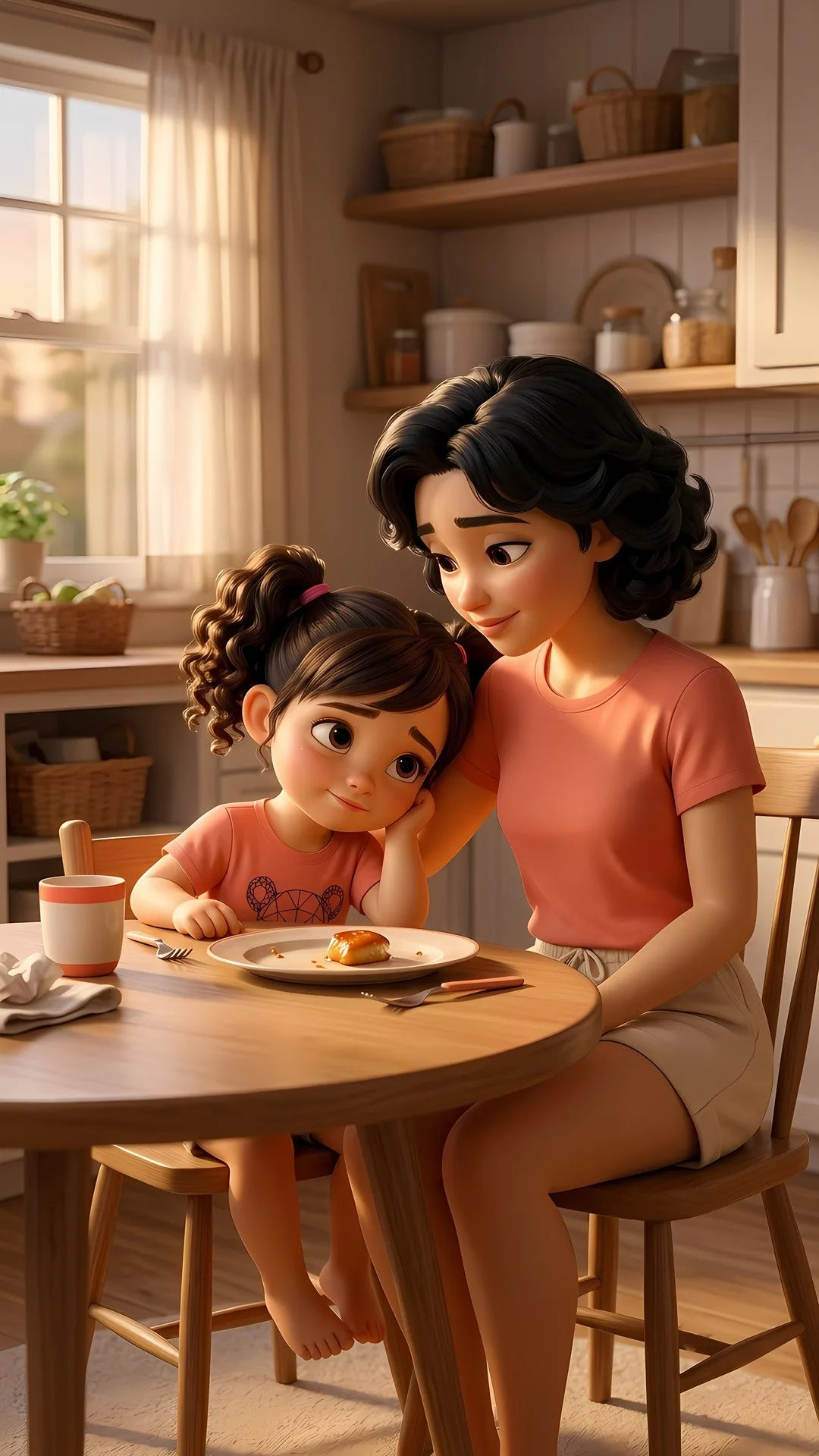
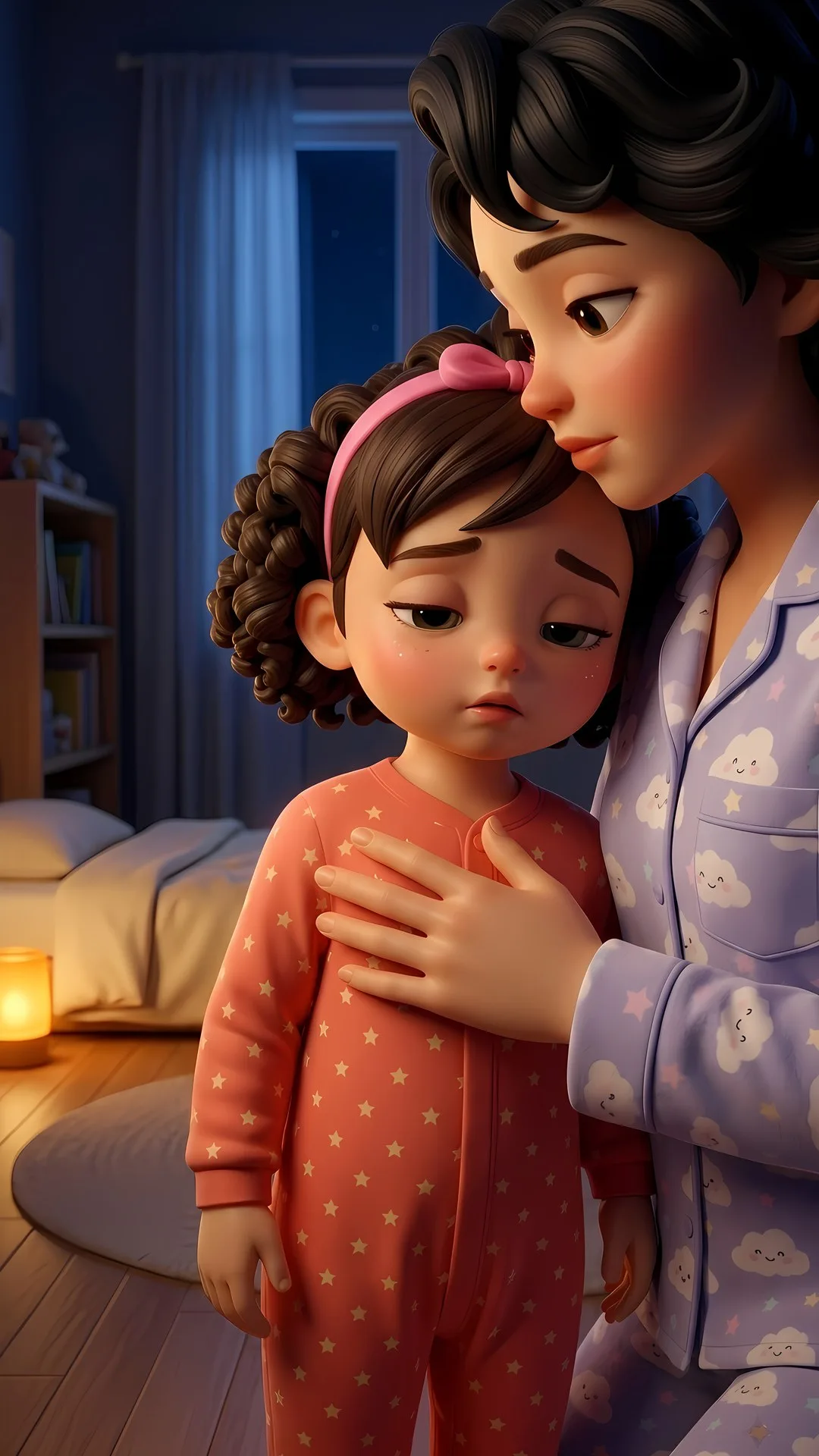
So I stopped. I sat down on the floor with her, not to solve anything, just to be there. Oh. It broke. You wanted it whole. And she leaned into my arm and let me hold the weight of it with her.
what I found myself saying
"Oh. It broke. You really wanted it whole."
"You're so sad about it. I know."
"I'm not going to fix it. I'm just going to sit right here with you."