a true story about loss & repair
One Block From The Top
She'd stacked it higher than ever. One block left. And then the whole tower came down.
the realization
I don't have to make the broken thing okay. When I quit racing to rebuild and just sat down and said out loud that it was sad, she stopped shrinking and let me be near her.
She'd been at it for ages, tongue out, hands steady, stacking that tower higher than she ever had. One block left. I actually looked up to watch her finish it. And then the whole thing came down.
have you ever felt this way too?
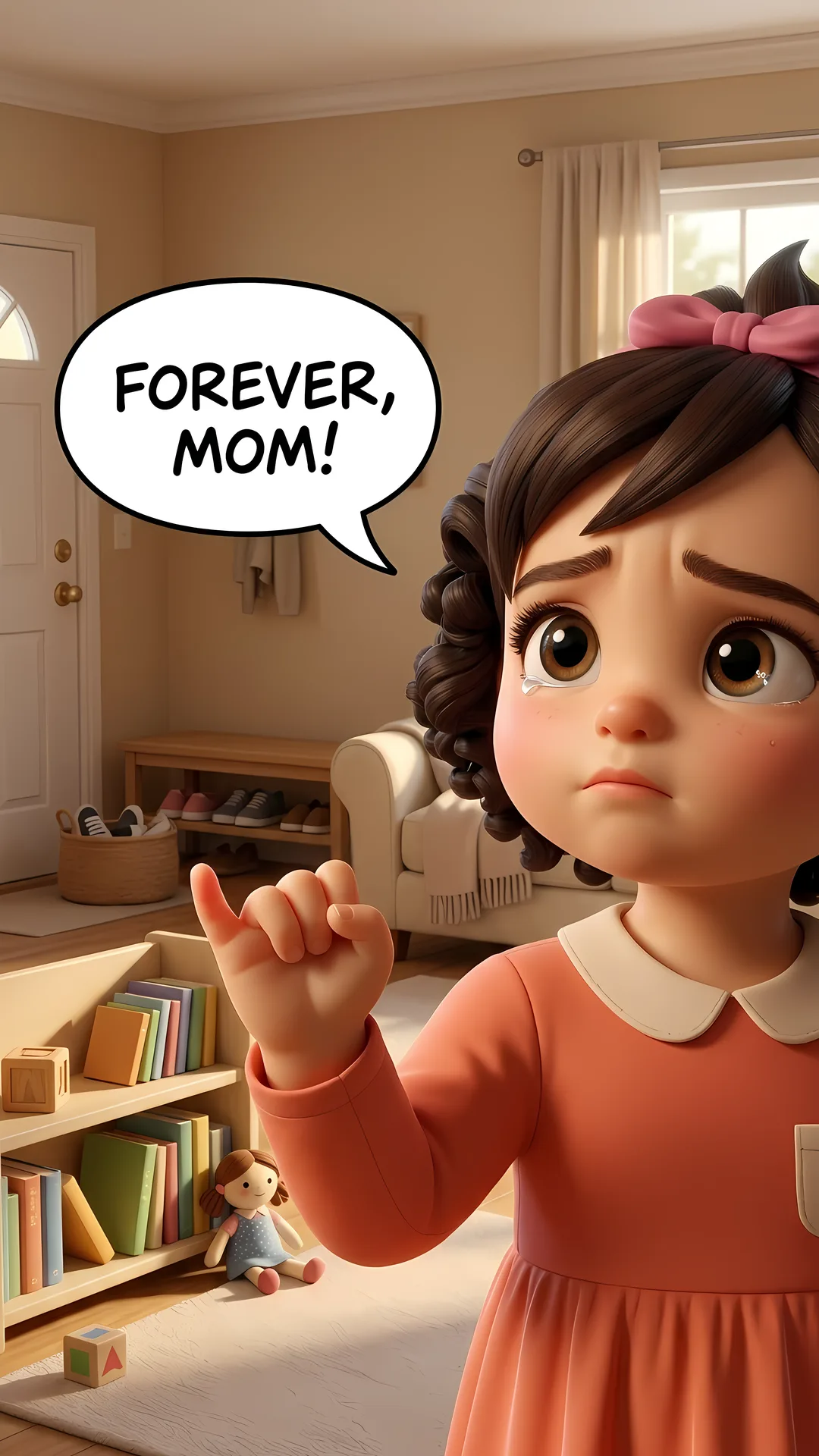
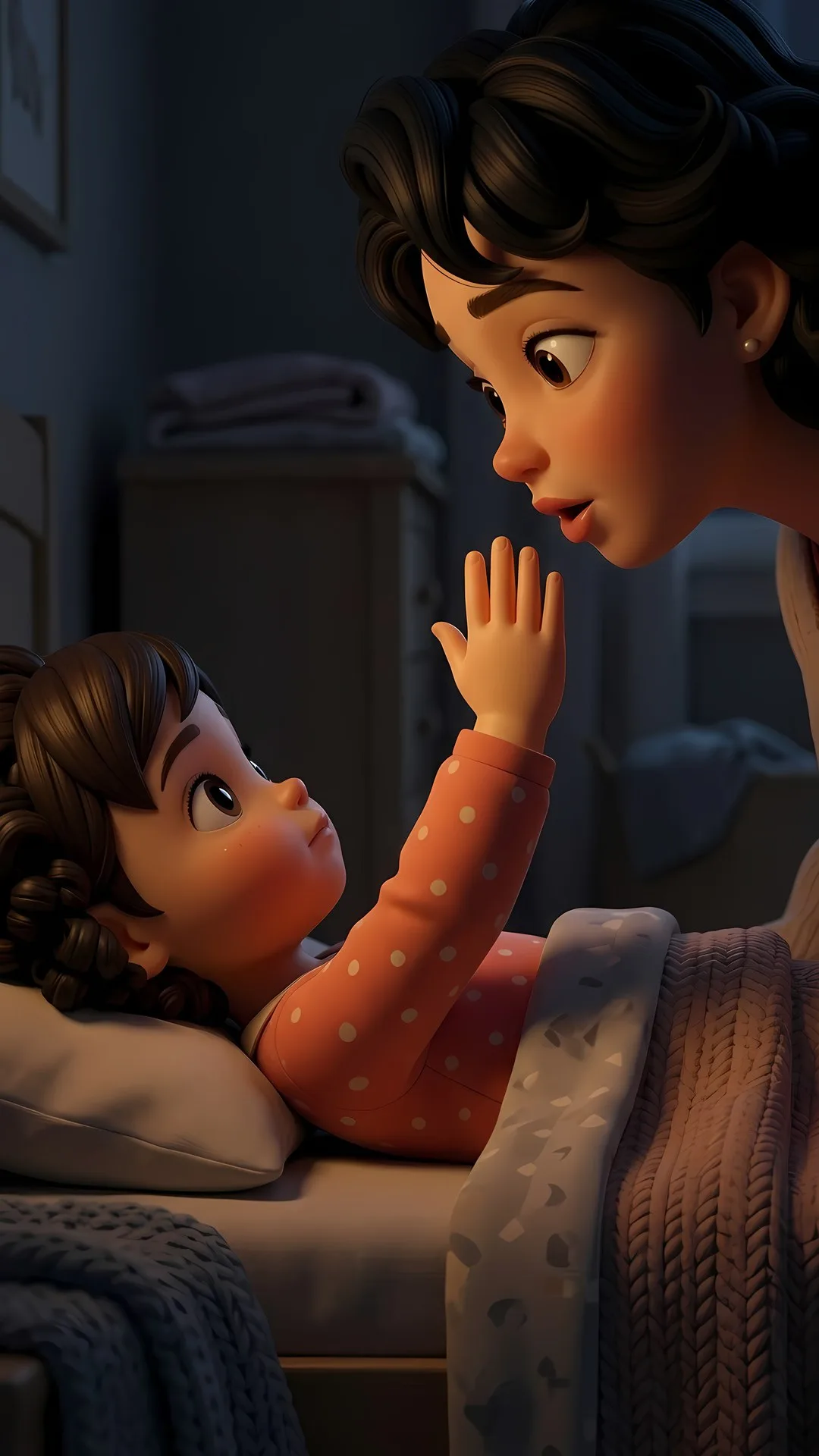
She didn't cry. That's the part that got me. She just went still, and held the last block out to me like I could put it all back the way it was.
Every part of me wanted to fix it fast. It's okay, sweetie, let's build it again, we'll make it even taller. I was already reaching for the blocks. And the more cheerful I got, the smaller she got, until she was barely there.
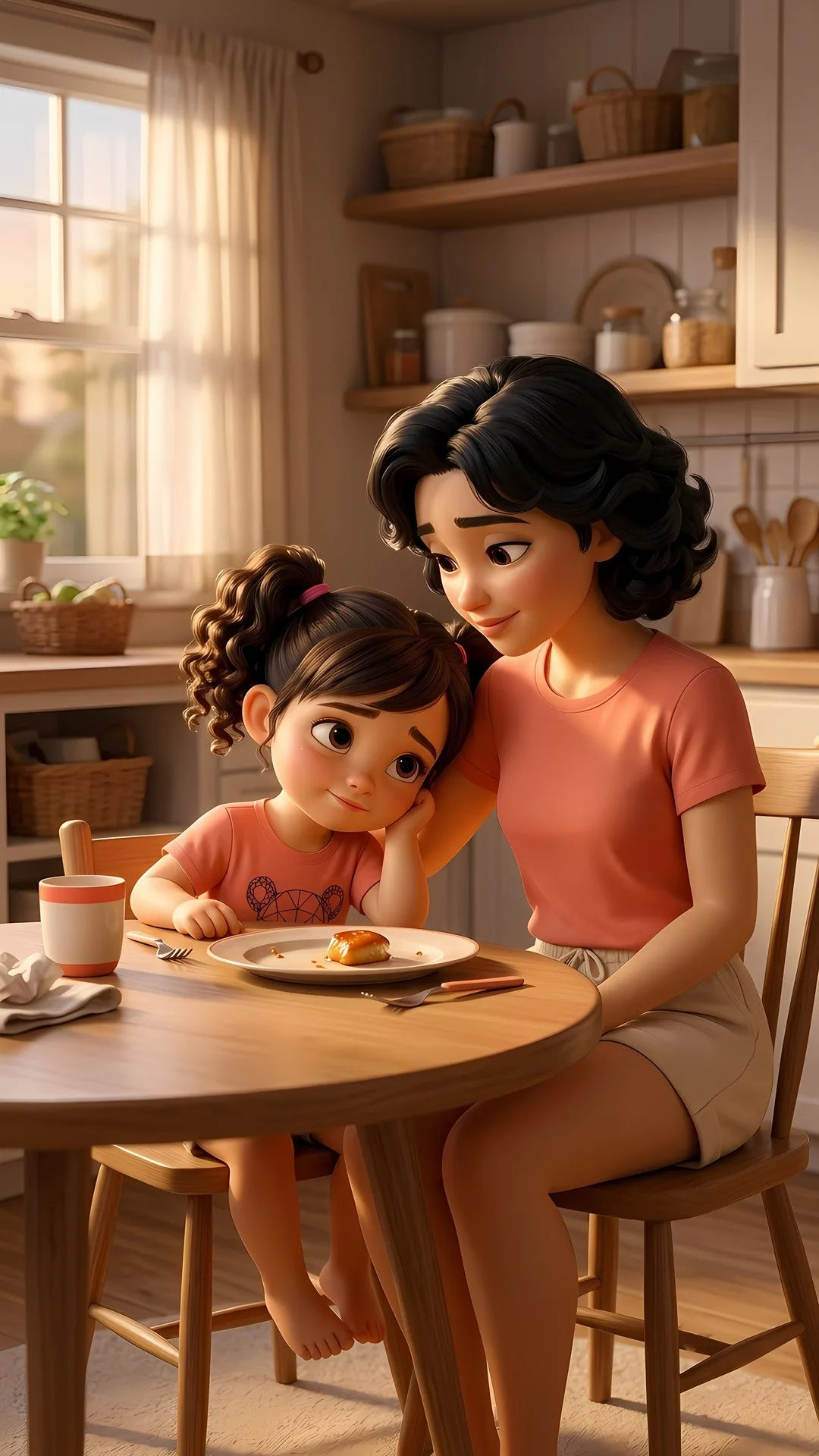
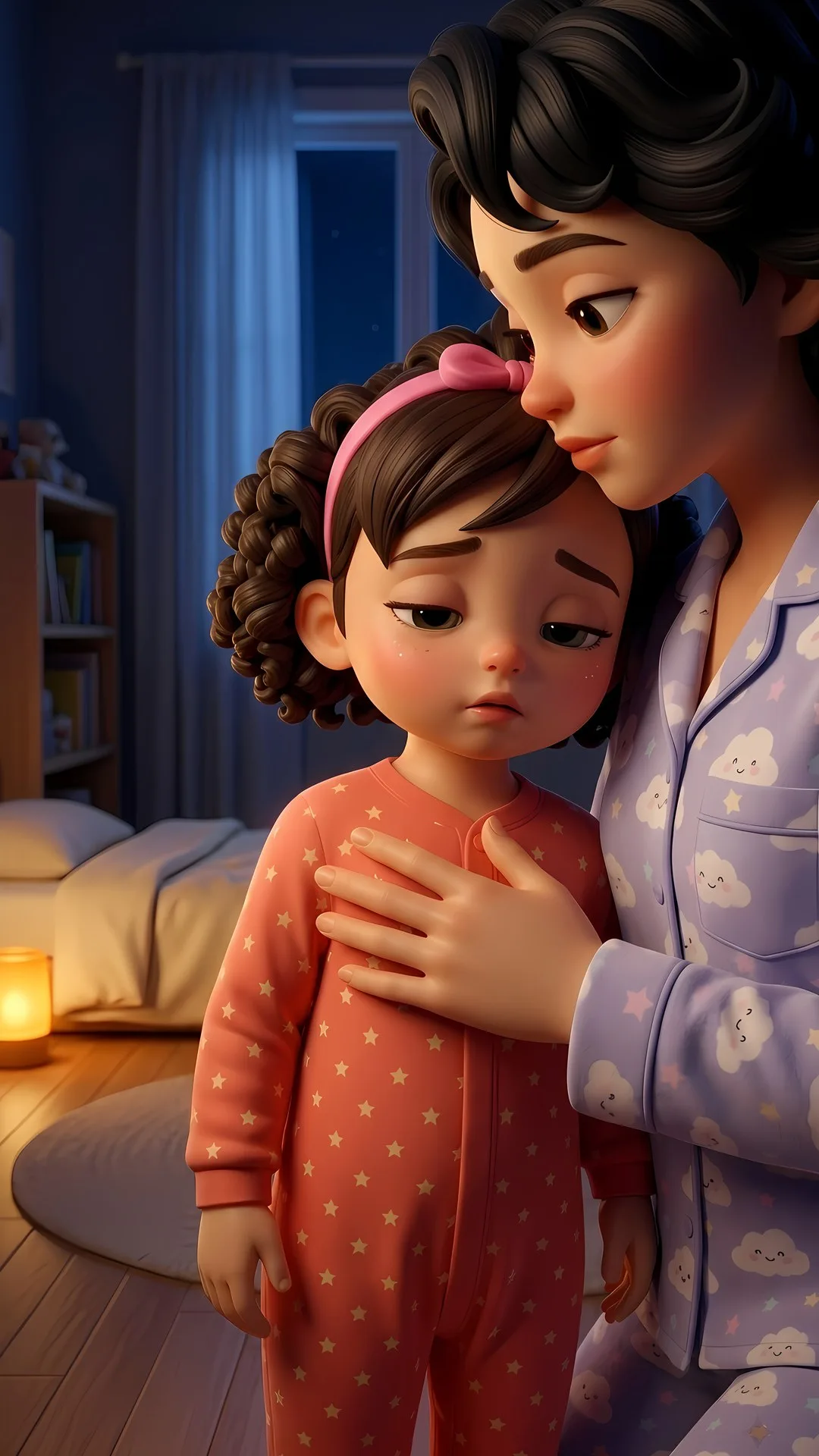
So I stopped. I left the blocks where they'd fallen and sat down next to her on the floor. You built that so high. It was almost done. And it fell. That's so sad. She turned that last block over and over in her hand. Then she leaned her shoulder into mine.
what I found myself saying
"You built that so high. It was almost done. And it fell."
"That's so sad. I'd be sad too."
"I just sat down next to her and let the blocks lie there."