a true story about big feelings
One Crack of Thunder, and She Froze
The sky cracks open, and my girl goes stone-still with her hand halfway to her fox.
the realization
I kept trying to argue her out of being scared, and it just made her shrink. The second I stopped fixing and just sat down next to her, she had something solid to lean on. She didn't need me to prove the thunder was fine. She needed me on the floor with her.
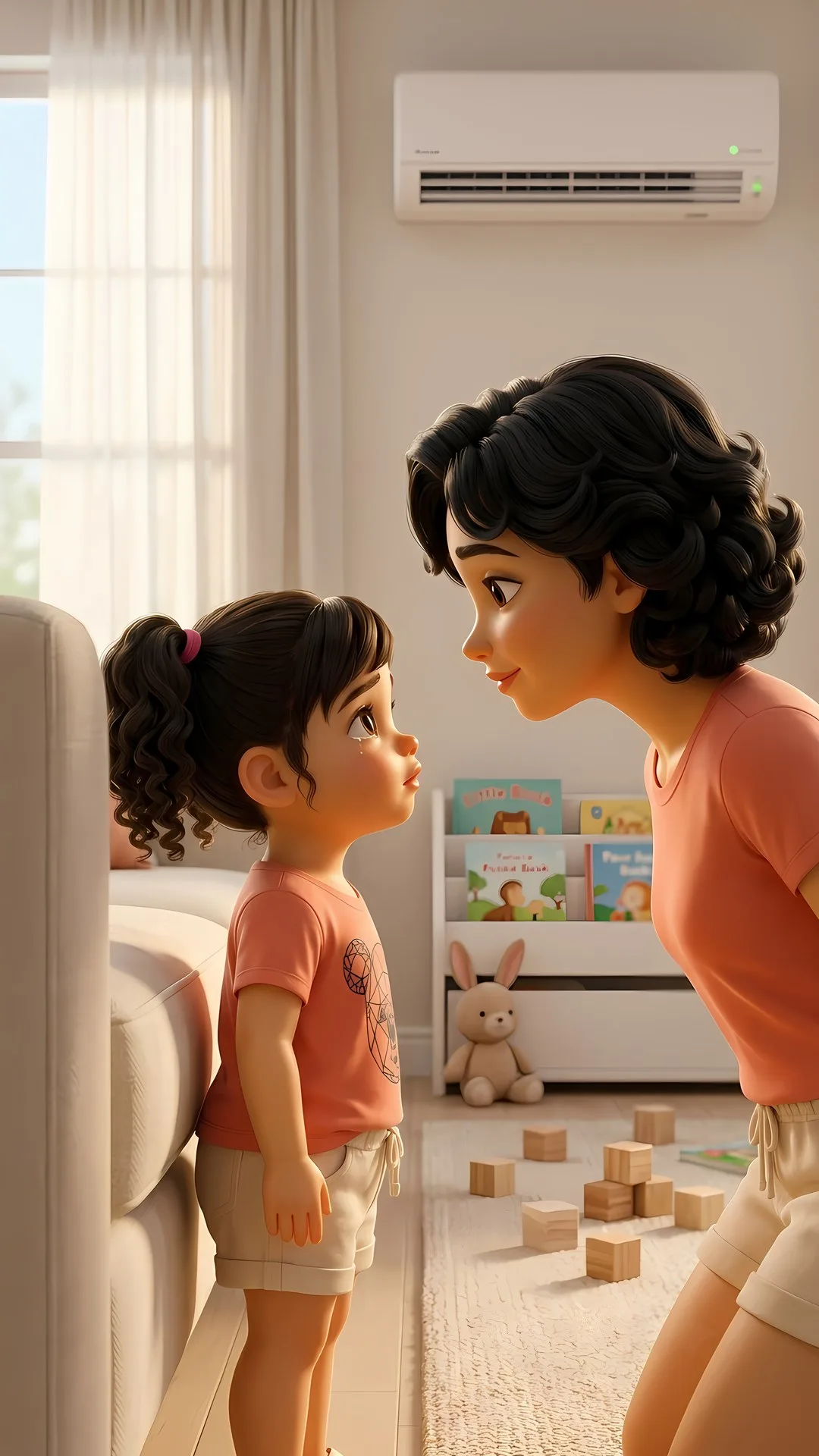
The thunder cracked and Mia just stopped. One hand still stretched out toward her fox, frozen mid-reach, like the room had turned to ice around her. She didn't cry right away. She just went stiff and small.
have you ever felt this way too?
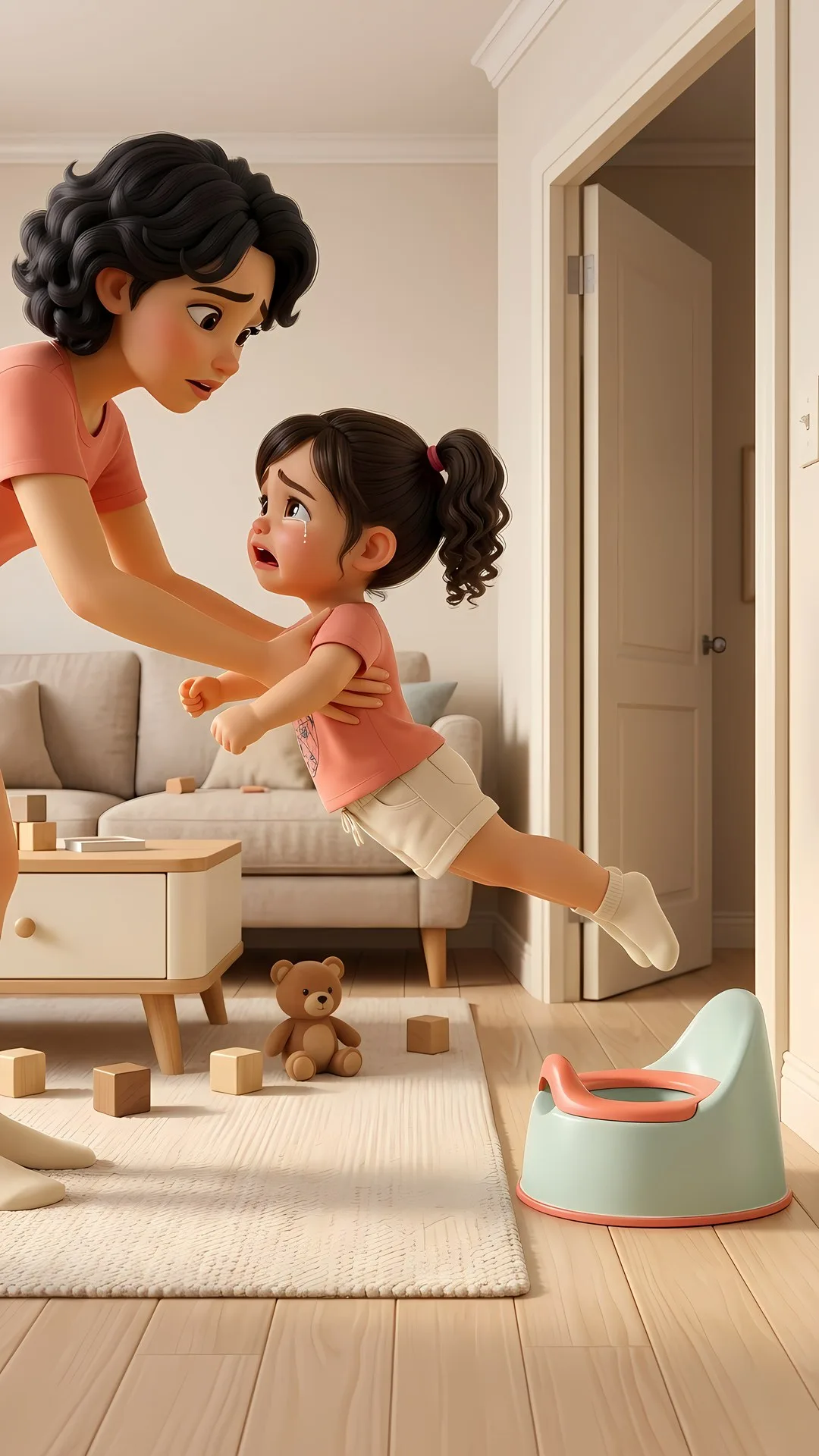
So I did the thing you do. It's just noise, baby. You're a big girl. Nothing's going to get you. And I watched it not work at all. The more I told her she was fine, the smaller she got, chin tucking down, shoulders creeping up around her ears. I was talking her further away from me, not closer.
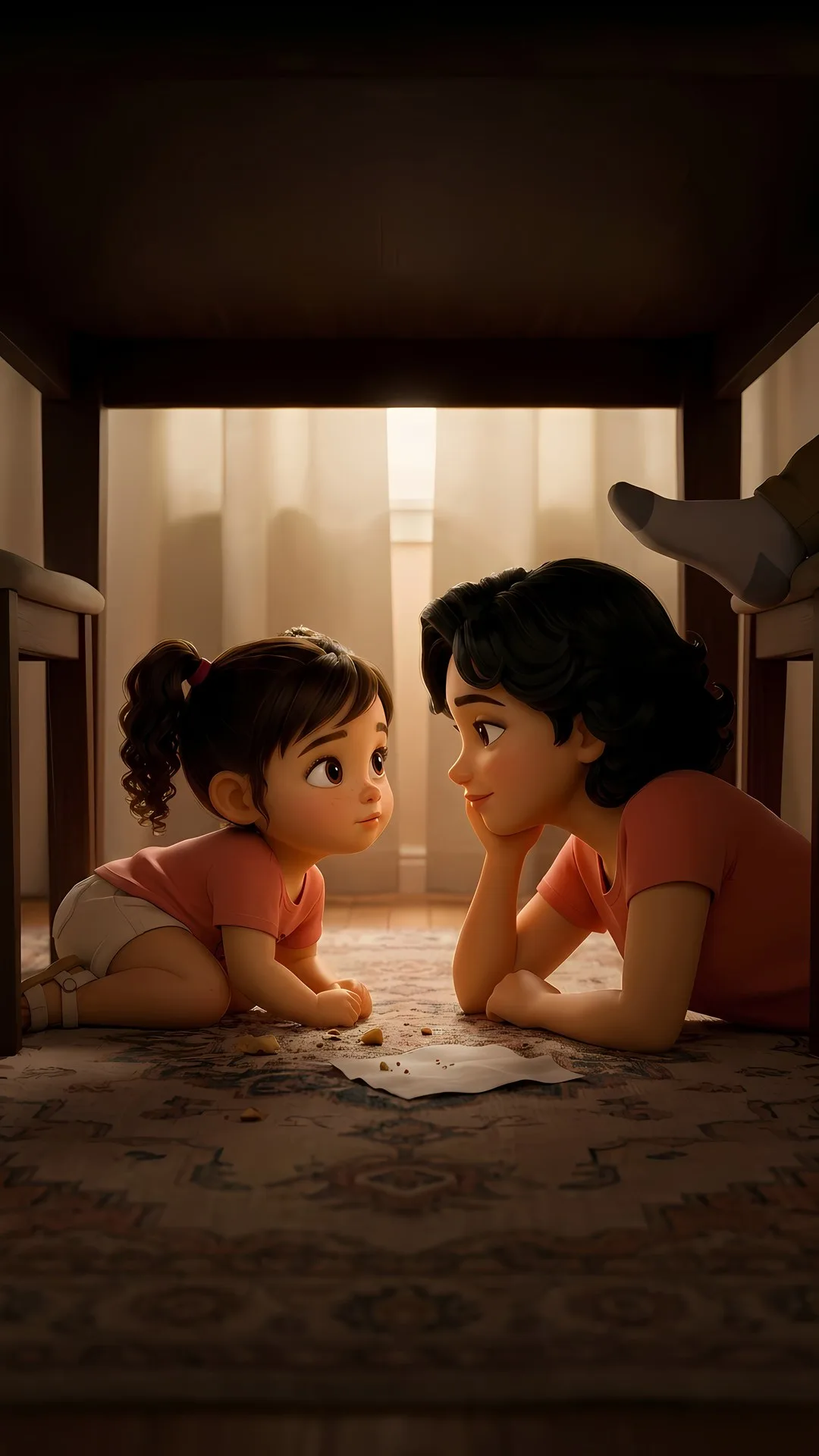
So I quit. I stopped explaining the sky and just sat down on the floor beside her, close enough that our arms touched. That was so loud, I said. It scared you, huh? I'm right here. Then the room lit up white again and I felt her whole body brace for it. So we counted. One. Two. Three. And we let our breath out together when the thunder rolled over the house.
No trick. No magic words. Just her shoulder tipping into my arm, one inch, testing if I'd hold. And then she leaned.
what I found myself saying
"That was so loud. It scared you, huh? I'm right here."
"Let's count it together. One... two... three."
"You don't have to be brave. I've got you right here."