a true story about big feelings
The Door That Moved By Itself
The glass doors hiss open on their own, and every muscle in her little body throws itself into reverse.
the realization
Telling her there was nothing to be scared of only made her lock up harder. The thing that reached her wasn't my logic. It was me putting the bags down, getting low next to her, and showing her what the door actually did so she wasn't standing in it alone.
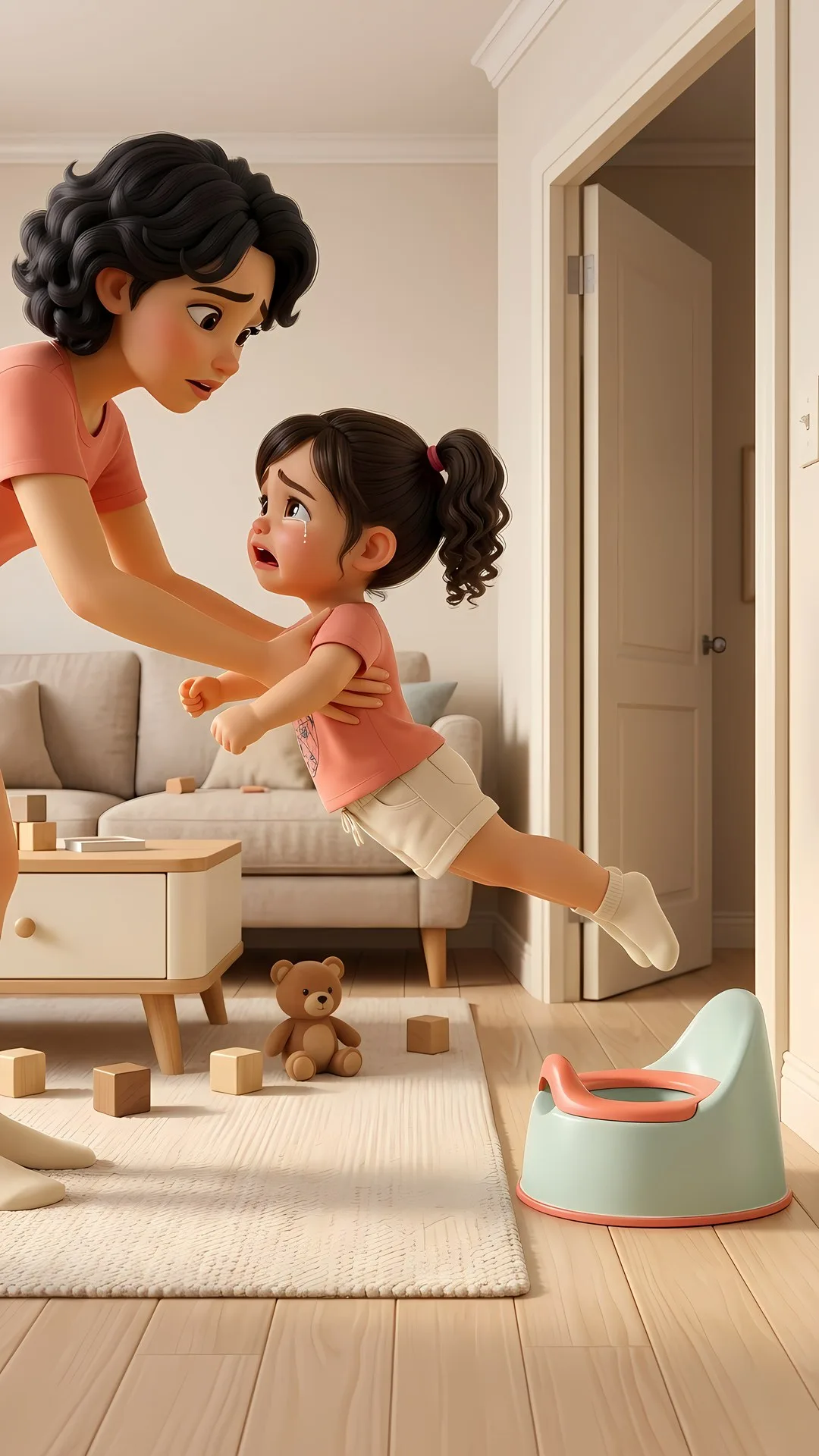
We were almost inside when the doors hissed open by themselves, and she slammed to a stop. Heels dug in, whole body leaning back like the sidewalk had grabbed her. I had bags on both arms and somewhere to be, so I did the thing I always do first. It's just a door, I said. Come on, there's nothing scary. Walk.
have you ever felt this way too?
She didn't walk. She got smaller. The more I said fine and nothing and come on, the tighter she pulled into herself, and I could feel my own voice starting to climb. Logic doesn't reach a kid who's already frozen. I know that. I just forget it every single time in the moment.
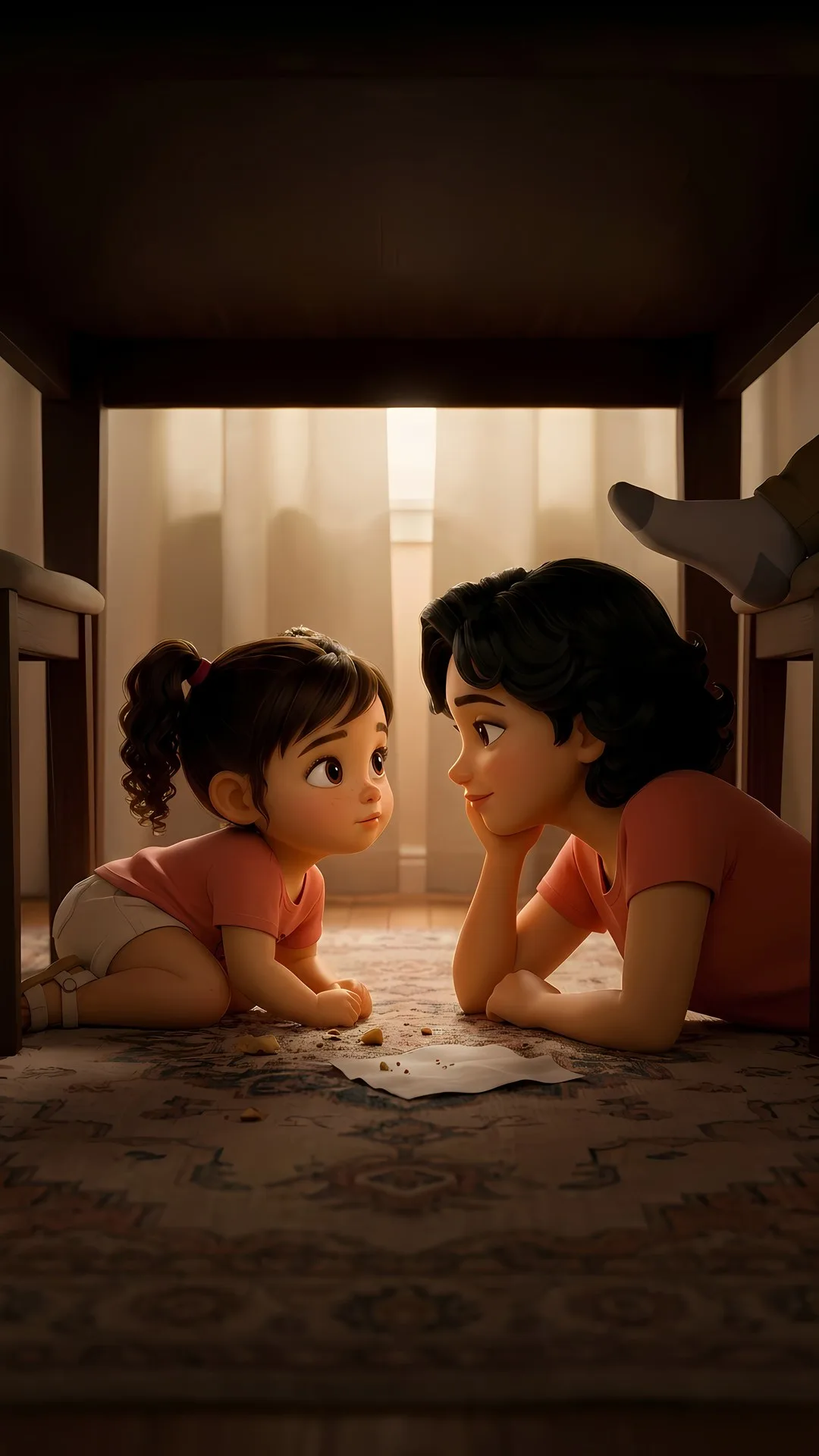
So I stopped. Put the bags down on the ground, which felt ridiculous with people stepping around us, and got low, down where she was actually standing and looking at that door. From down there I could sort of see it the way she did. This big glass thing that opened all by itself for no reason she could name.
That door opened by itself and surprised you, I told her. You didn't know what it was. It opens when someone gets close, look. Ready? We'll go on three. And on three we went, together, her hand tight in mine. She didn't get braver because I told her to. She got braver because she wasn't the only one standing in front of it anymore.
what I found myself saying
"That door opened all by itself and surprised you. You didn't know what it was."
"See? It opens when someone gets close. That's all it's doing."
"We'll walk on three. One, two, three, together."