a true story about big feelings
The Green Cup Was the Last Straw
She pulls the green cup in with both hands like it wronged her, and the same juice is right there.
the realization
I stopped arguing about the cup and just said the true thing out loud, that she wanted the blue one. The second I let her feeling be real instead of trying to talk her out of it, we could actually solve the cup part together.
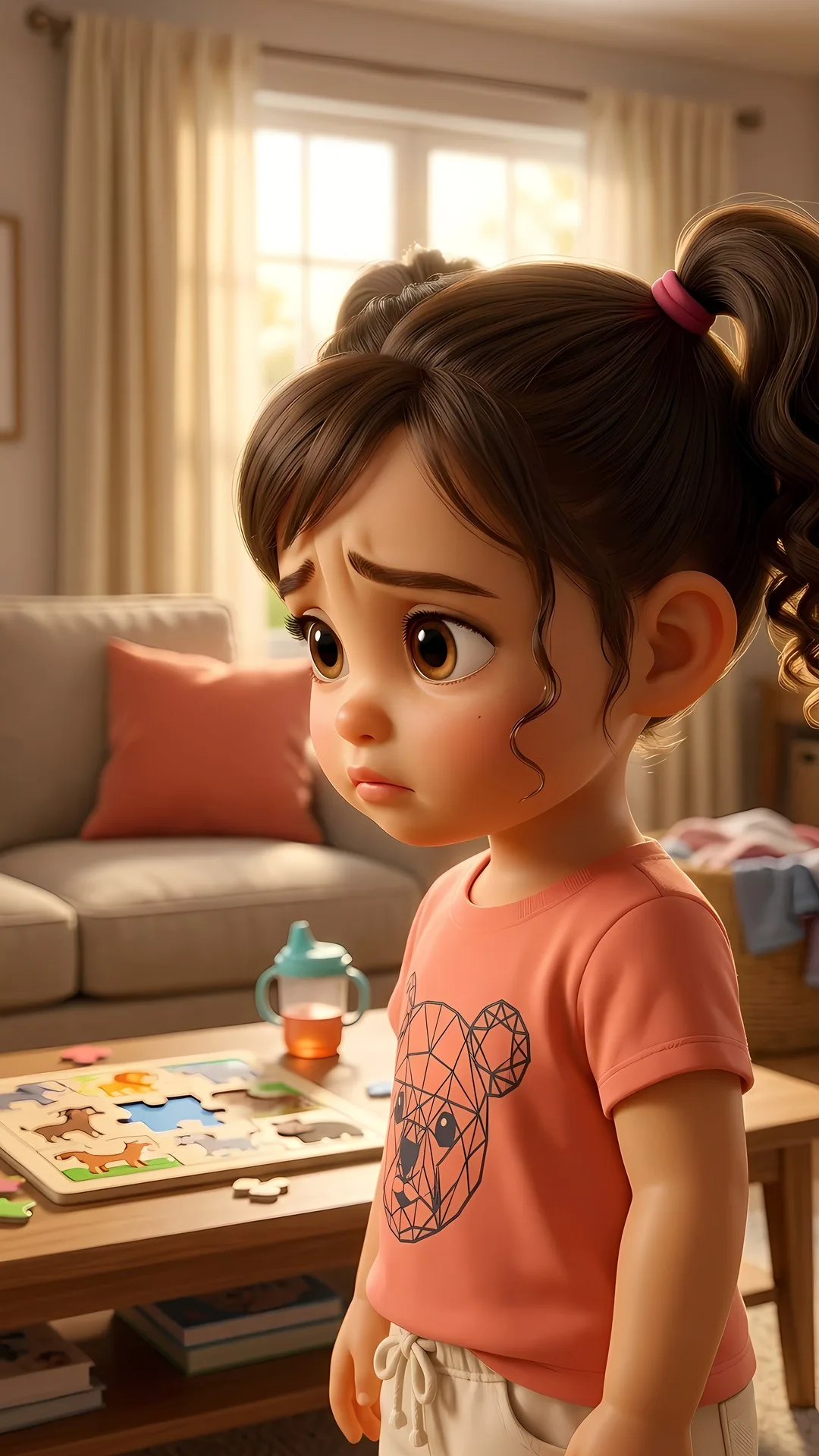
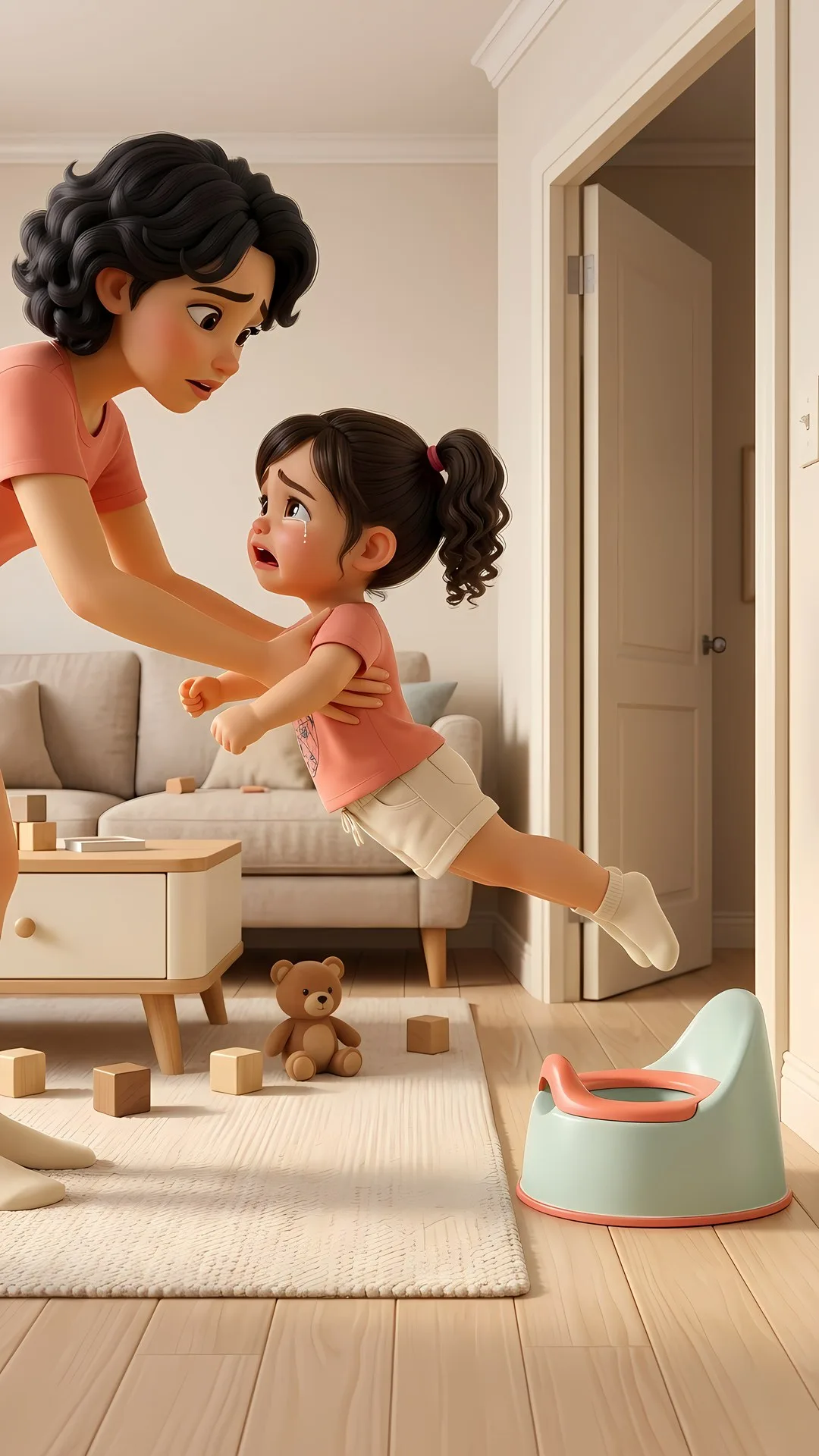
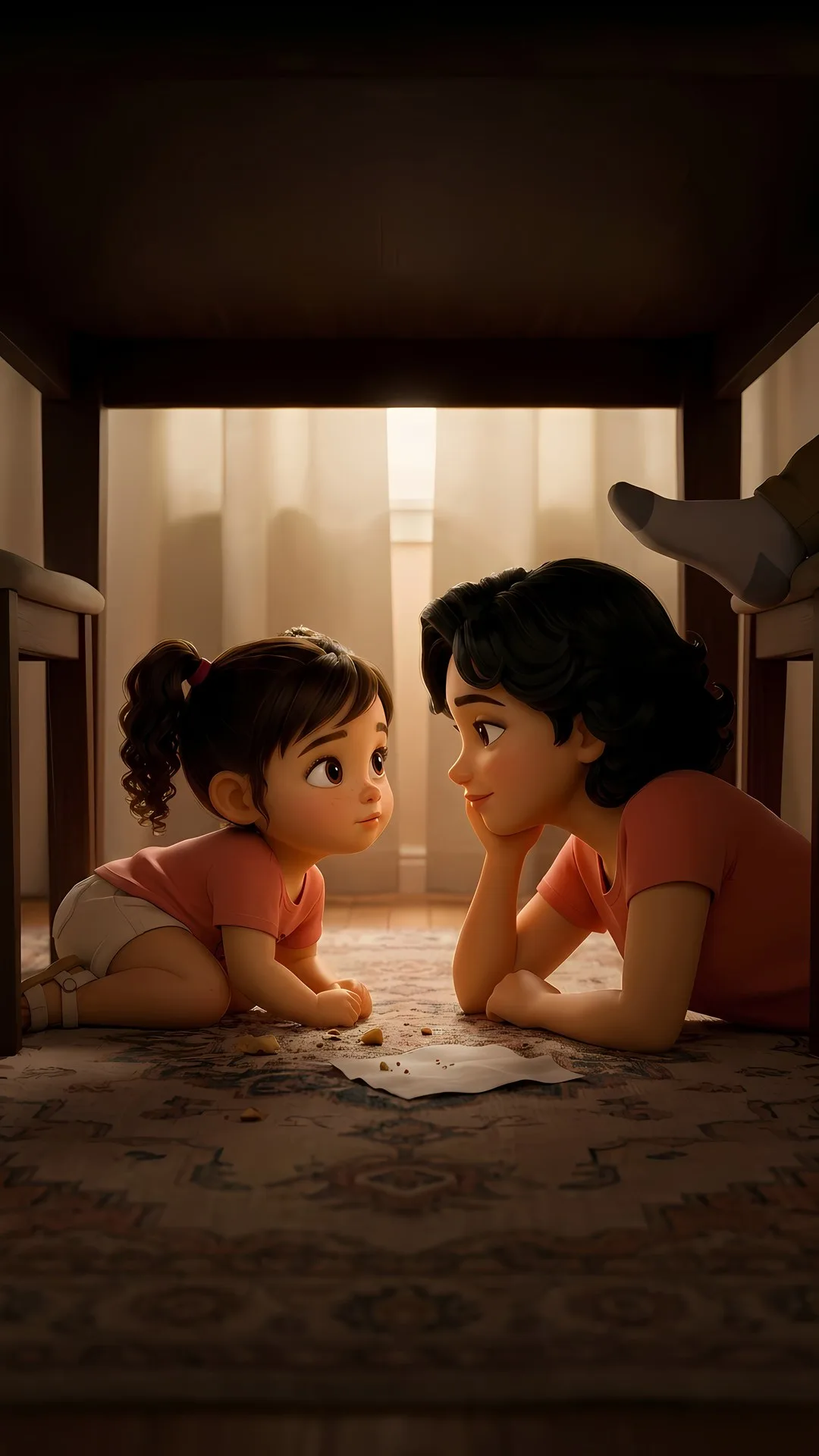
It was the green cup. I'd just done the dishes, my hands were still damp, and she pulled it in with both arms like it had personally betrayed her. It's the same cup, I told her. Same juice. I can't wash another one right now. She didn't care. She wasn't listening to logic and honestly, why would she.
have you ever felt this way too?
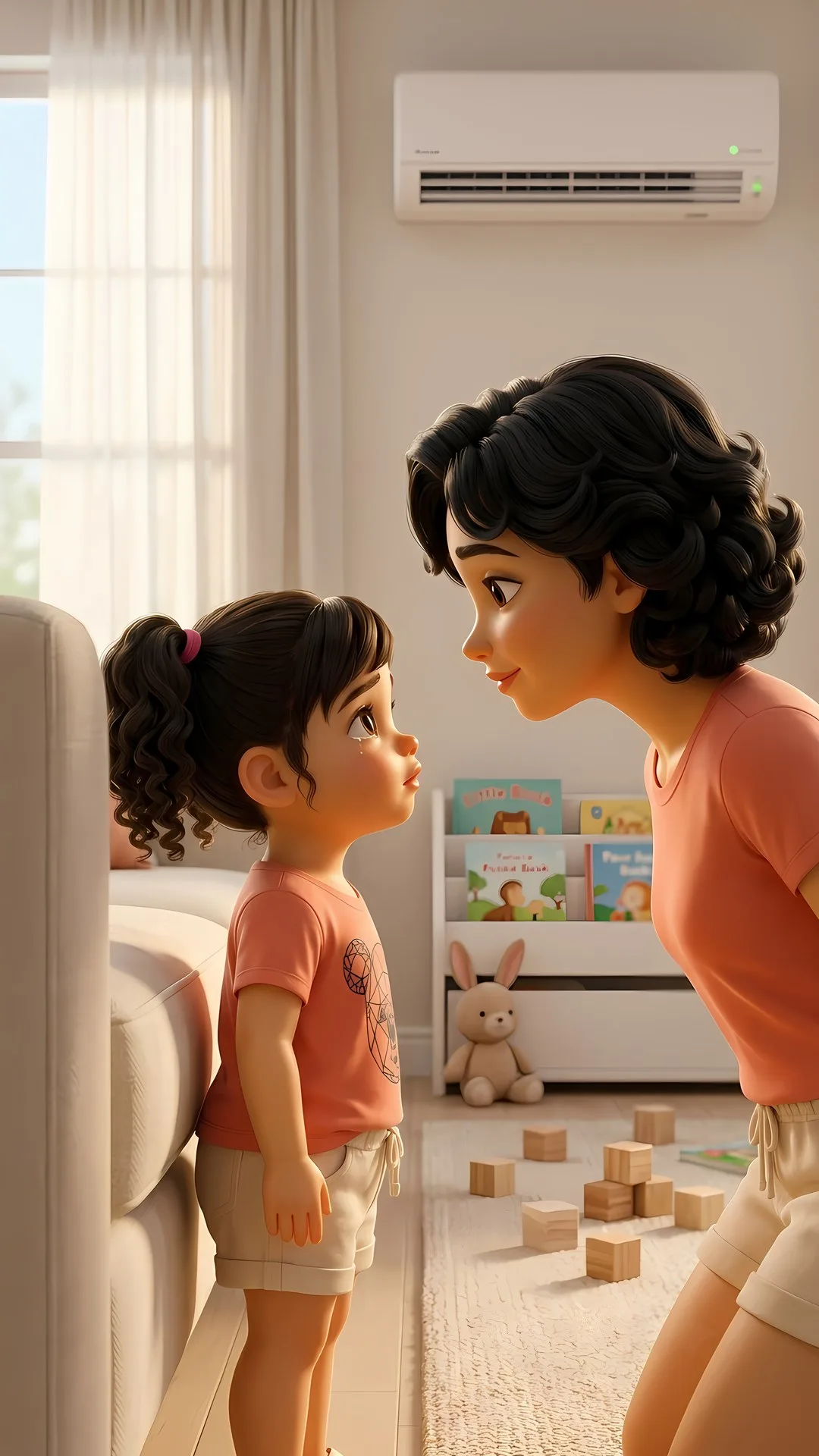
I heard my own voice starting to climb up to meet hers. That's the part nobody warns you about, how fast you go from calm mom to arguing with a toddler about a cup you didn't even know had a personality. And I felt the heat climb up my neck.
So I stopped chasing the cup. I just said the thing that was actually true. You really wanted the blue one. I didn't fix it, I didn't take it back, I let it sit there out loud. And then I gave her the real choice. The blue cup's dirty. Want to wait while we wash it, or use this one till it's ready.
She went quiet for a second. Then, tiny. Wash it. So we did. I lifted her up and put her hands under the water with mine, and she washed that blue cup like it was the most important job in the house. Then it was finally hers.
what I found myself saying
"You really wanted the blue one."
"The blue cup's dirty. Want to wait while we wash it, or use this till it's ready?"
"Okay. Let's wash it together."