a true story about big feelings
Don't Go: The Music Class Doorway
Her first music class, my sleeve twisted in her fist, one word stuck on a loop: don't go.
the realization
The cheerful quick exit wasn't calming her, it was making the fear bigger. She didn't need me to talk her out of it. She needed to hear the scary part said plainly, and something of mine to hold until I came back.
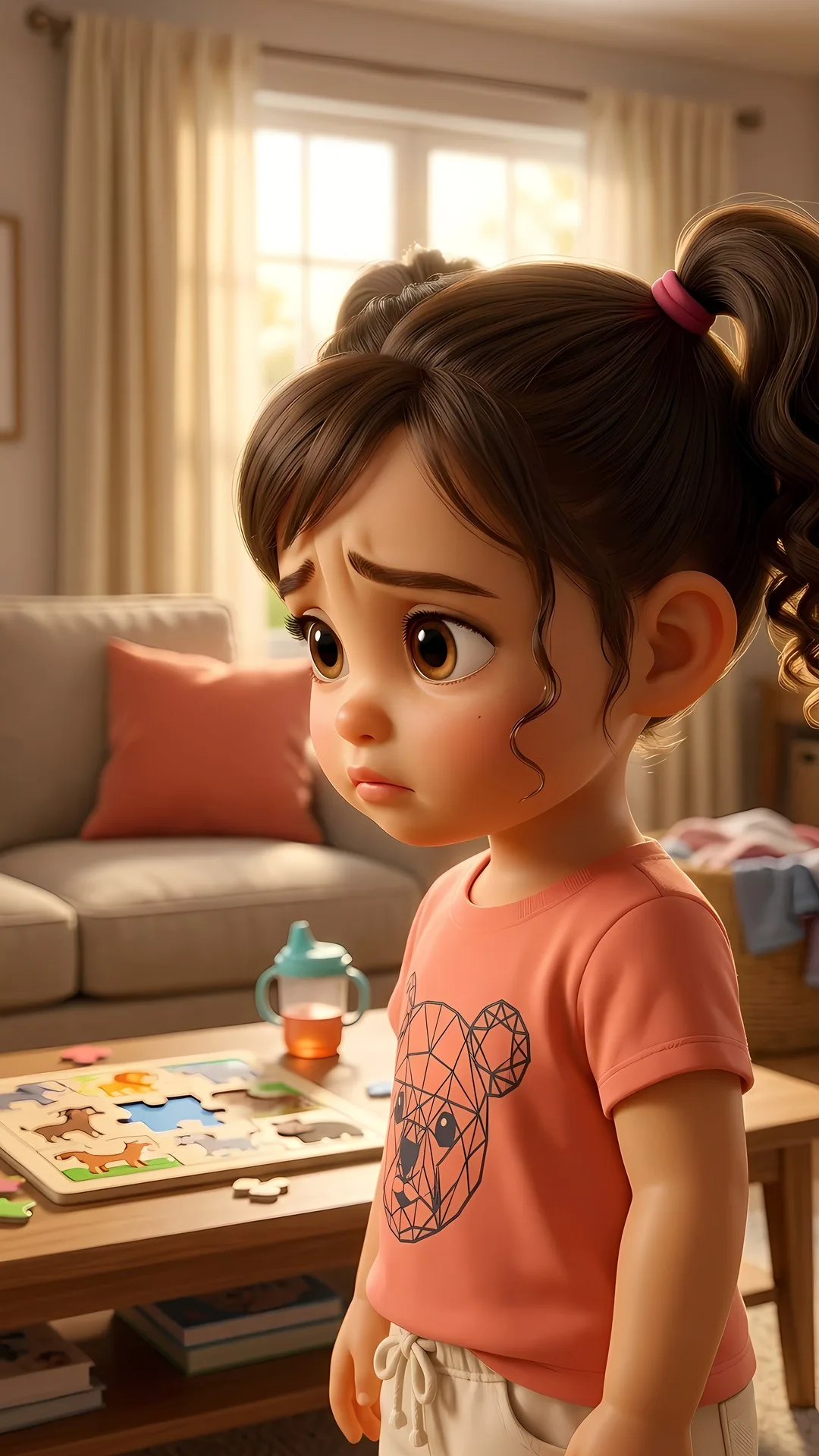
It was her very first music class. Bright room, other kids, a lady with a basket of shakers. And Mia had my sleeve twisted in her fist like it was the last solid thing in the world. One word, over and over. Don't go. Don't go.
have you ever felt this way too?
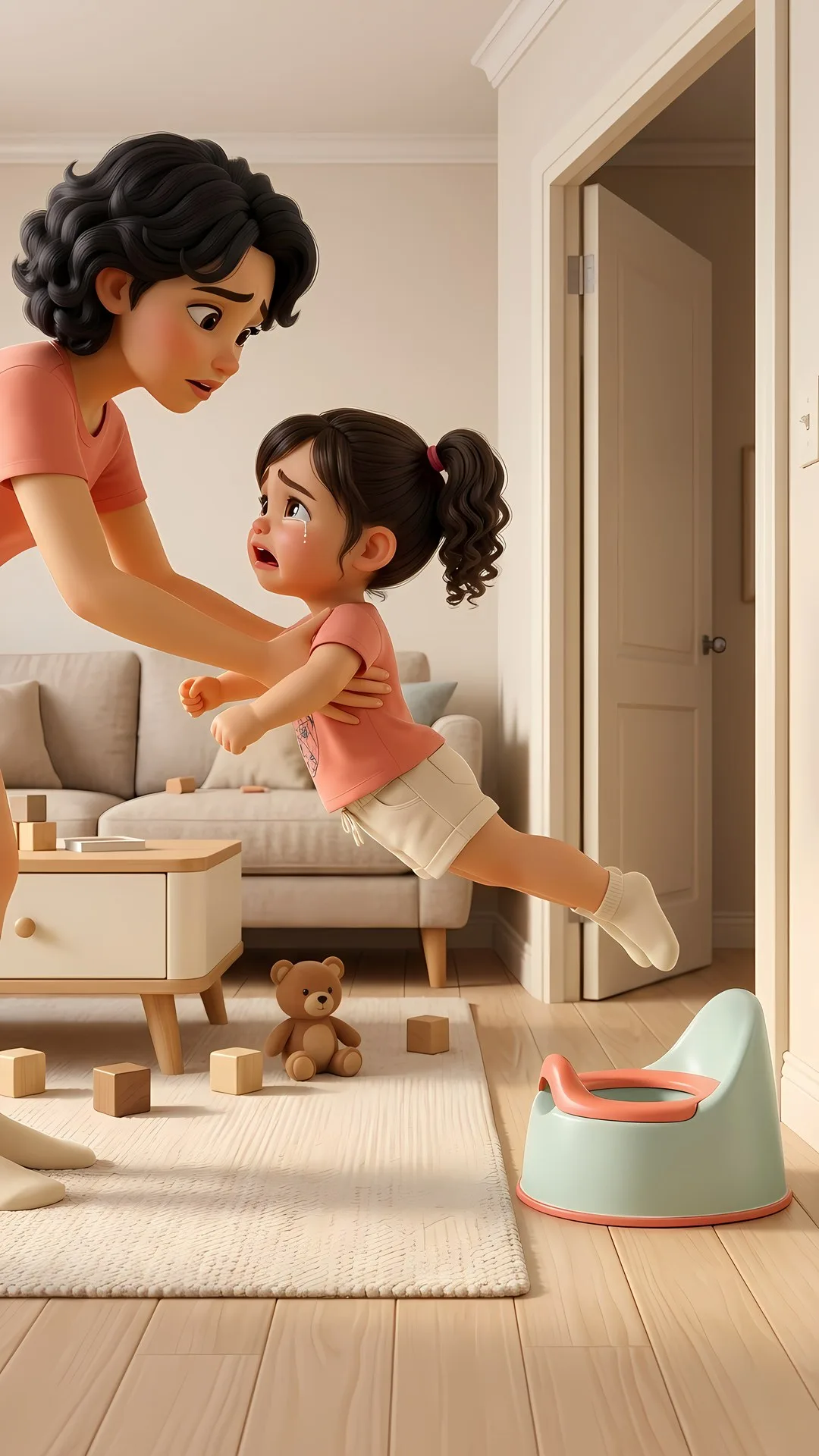
I was wiped out and honestly I didn't want to be the mom whose kid wrecked the circle. So I went bright and quick. You're a big girl, nothing to cry about, I'll be back in a flash. I tried to peel her fingers off and slide out clean.
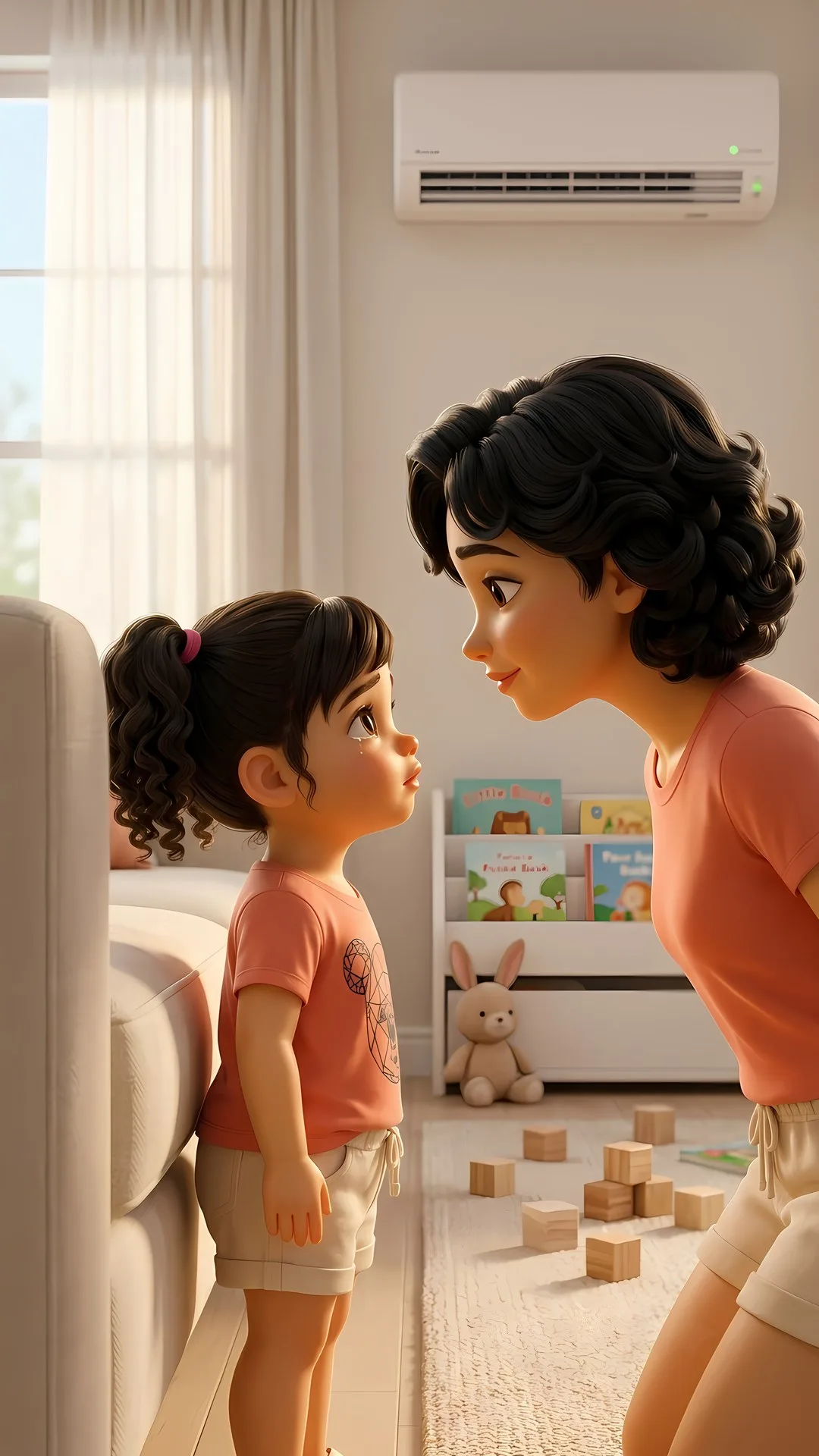
It didn't shrink anything. It spiked. The faster I moved toward that door, the smaller she got, the harder she clung. So I stopped. I stopped running and came all the way down to her eyes and slowed my own breath first.
I told her the true part. When that door closes, a great big scared feeling fills you right up, like maybe Mommy won't come back. I'll be back before the song ends. Hold my jacket, that means I'm still here. She was still wobbly. But her shoulders came down, and she reached for the teacher's hand. I took one shaky breath at the door.
what I found myself saying
"When that door closes a big scared feeling fills you right up. I know."
"I'll be back before the song ends. That's a promise."
"Hold my jacket. That means I'm still right here with you."