a true story about big feelings
How to Say No Without the Meltdown
She spots a little plastic horse on the bottom shelf, and the whole store is about to hear how much she wants it.
the realization
Saying no faster and louder wasn't working. What finally reached her was letting her know I heard how badly she wanted it, and then still holding the no.
We were three aisles from checkout when she found it. A little plastic horse, purple, on the bottom shelf where they put the things toddlers can reach. She held it up to me like she'd found treasure. And I said no before she even finished asking.
have you ever felt this way too?
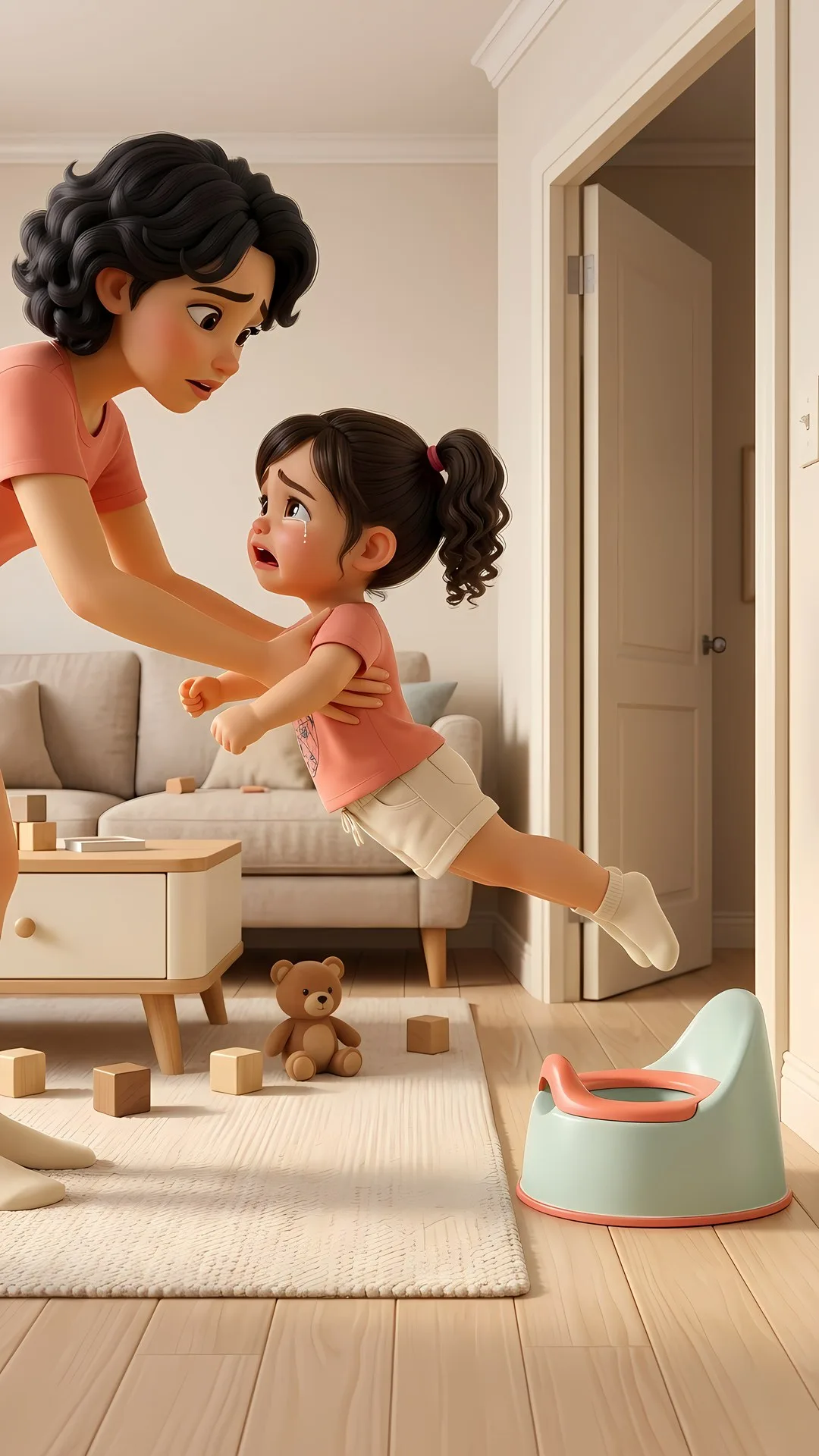
The no landed like I'd taken something from her. She went down onto the floor, the horse pressed to her chest, and the crying got loud. Fast. I felt every cart slow down as it passed us. So I did what I always do. I said no again, firmer, I told her we had toys at home, I tried to peel the horse out of her hands. All of it made her louder.
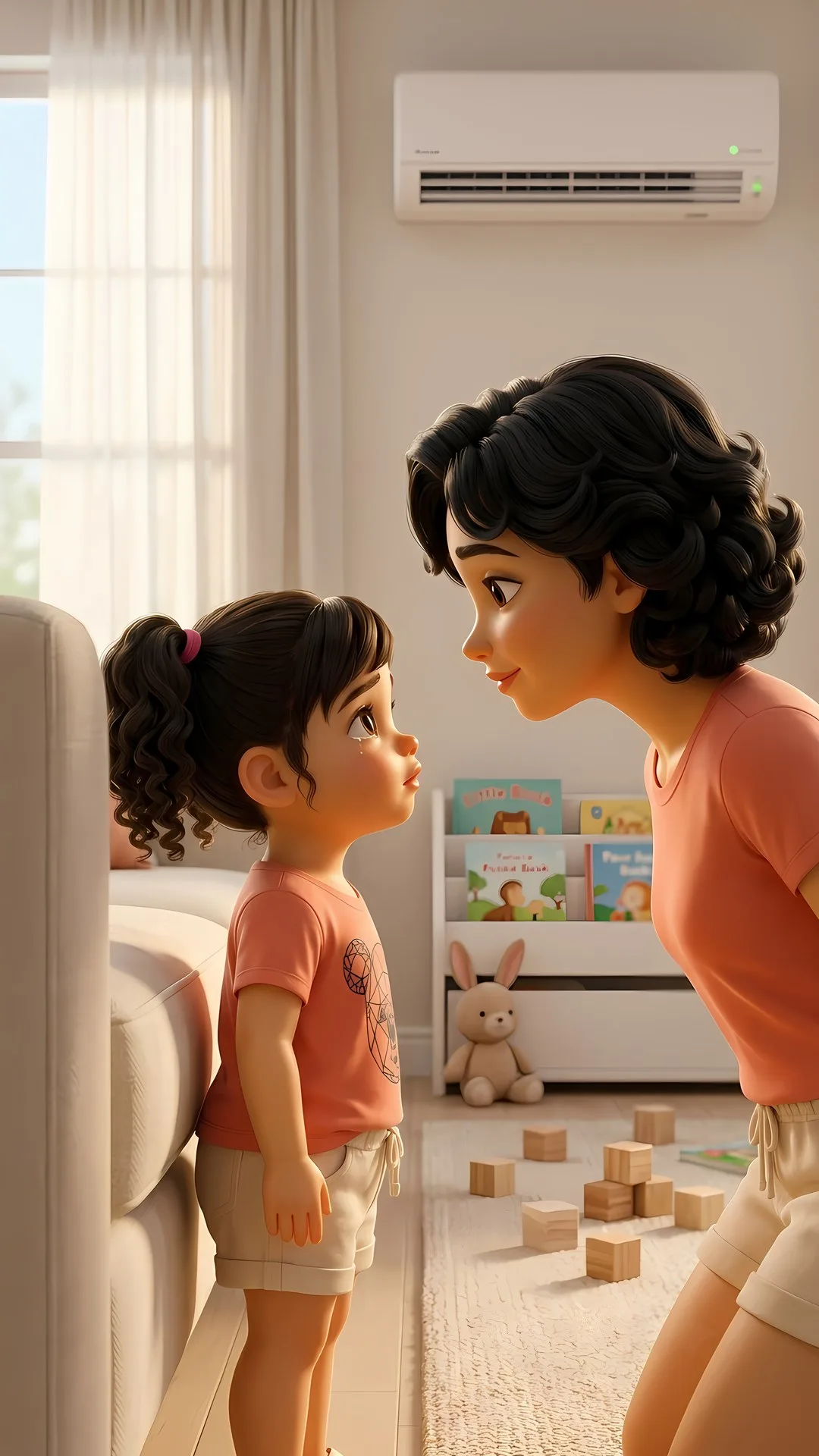
The more I hurried, the harder she cried. And somewhere in there I stopped trying to win it. I crouched down on the dirty store floor next to her, and I stopped explaining. I put my hand on her back and just said the true thing: you really, really wanted that horse.
She looked at me. Still crying, but looking. I told her, quiet, that we weren't buying it today, and that I knew that felt terrible. I didn't take the horse yet. I just stayed there with her on the floor until her breathing came down, and then she handed it to me herself and reached up to be carried.
what I found myself saying
"You really wanted that horse. I know."
"We're not buying it today. And I get why that's so hard."
"I'm right here. Take your time."