a true story about big feelings
The Rain Stole the Park
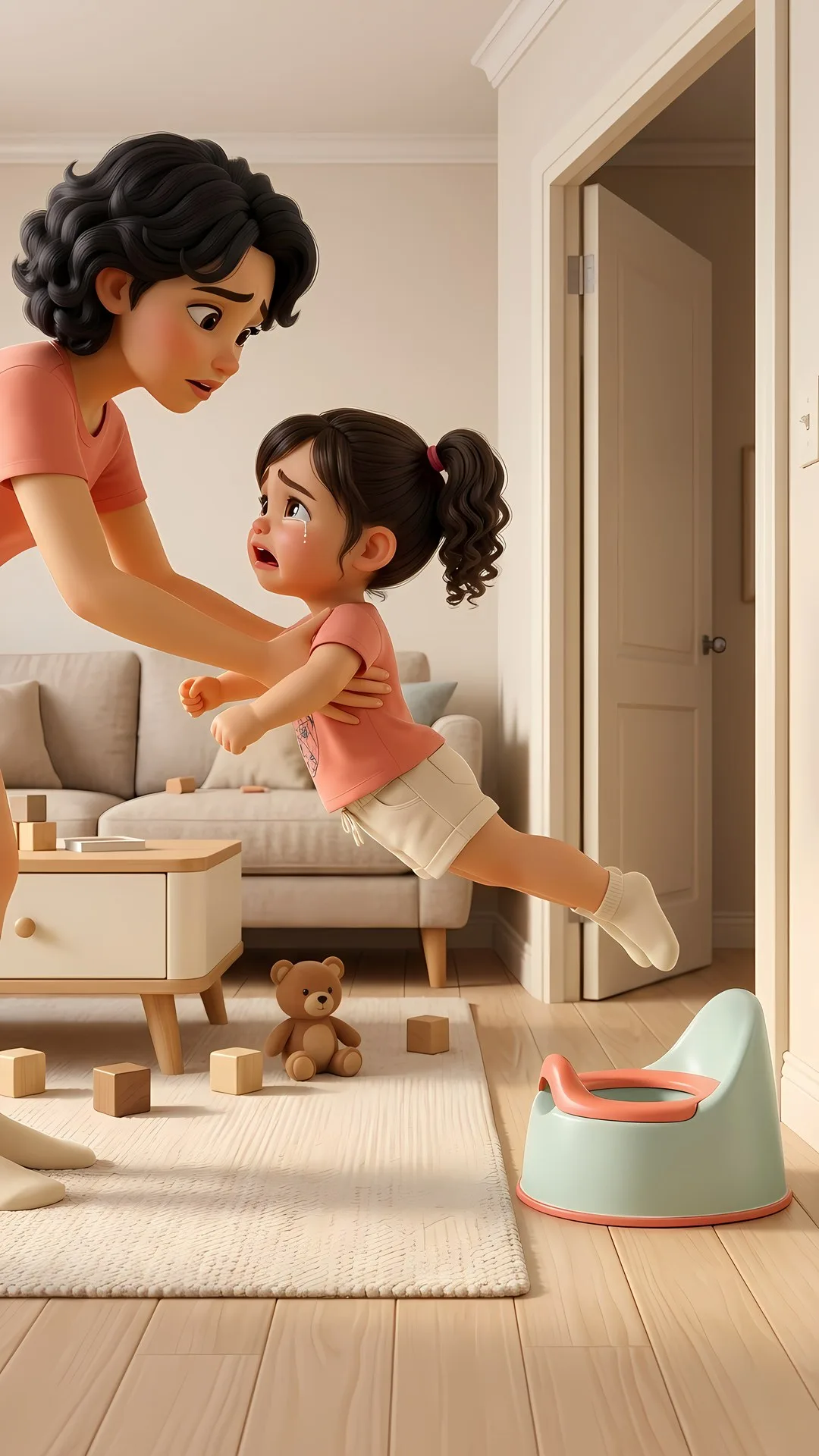
She's at the window screaming that the rain isn't fair, and I have no way to give her back the morning she already lived in her head.
the realization
I kept trying to fix the sky and hand her a backup plan, and it only made her cry harder. What actually helped was getting down and saying out loud what she'd lost, before I offered a single thing to do instead.
She woke up already at the park. In her head she'd done the whole morning before breakfast. The swings, the ducks, the little bridge. Then she saw the window, and the rain hitting it, and the whole thing came apart. "It's NOT raining! Make it stop! It's not FAIR!"
have you ever felt this way too?
So I did what I always do when I'm tired and running late in my own head. I reached for the fix. "It's just rain, sweetie. We'll go tomorrow. Hey, let's do something fun inside instead." I said it bright and quick, like if I moved fast enough the feeling wouldn't catch up to us.
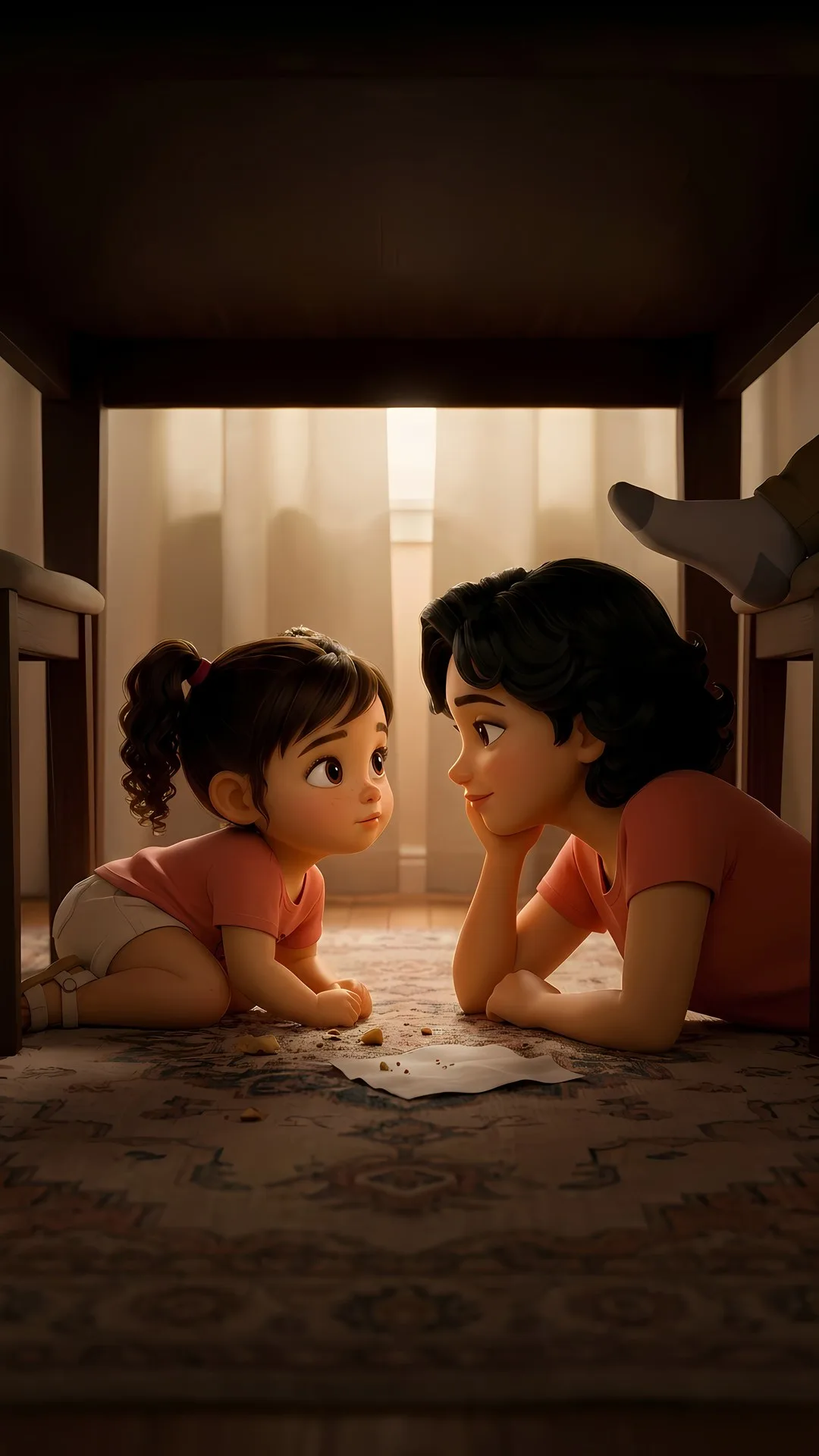
It made it worse. Of course it did. The more I offered, the louder she got. Her feeling was standing right there in the middle of the room, and I kept talking over it. So I stopped. I got down on the floor next to her, close to the window she was so mad at.
"You really wanted the park today," I said. "You had the whole thing ready in your head." That was it. I didn't promise tomorrow again. The rain didn't stop and the park didn't come back. But her shoulders came down, and she leaned into me, and we watched it come down together for a while.
what I found myself saying
"I stopped listing other things to do and just said, you really wanted the park today."
"You had the whole morning ready in your head. I'd be sad too."
"I've got you. We can be sad about the rain together."