a true story about daily transitions
Mama, Don't Go: The Goodbye That Actually Works
She wraps around my leg like the front door is the enemy, and I just want to slip out before she notices.
the realization
The sneak felt kinder, but it wasn't. When she caught the gap in the door, her cry went from sad to terror, and I got it. A goodbye she can count on beats a goodbye she never sees coming.
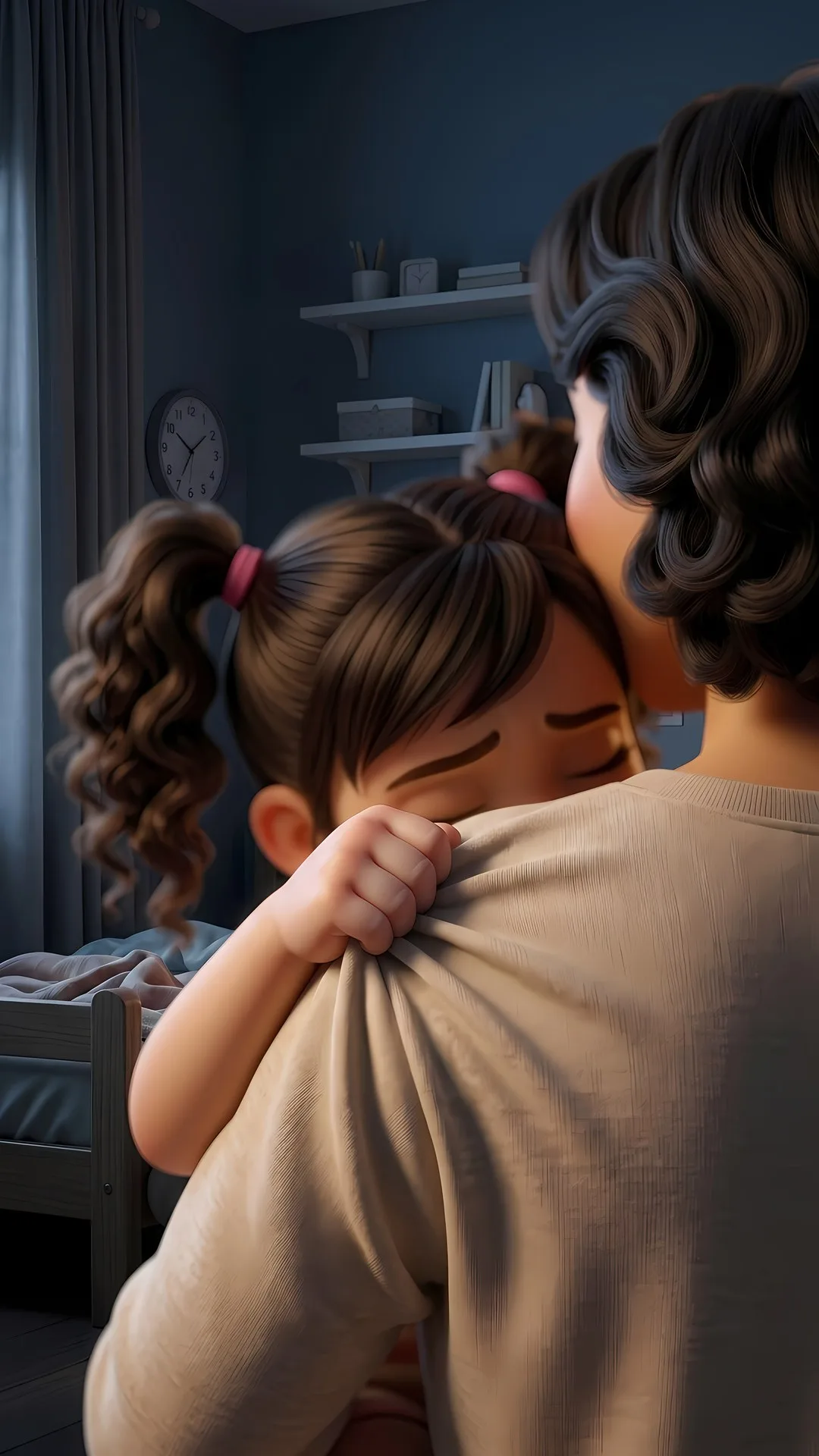
She wrapped around my leg like the front door was the enemy, screaming the words that gut every working parent. Don't go. My bag was already on my shoulder. My whole body was pointed at that door.
have you ever felt this way too?
So I did the thing I'm not proud of. I went for the sneak. Slip out quiet while she's distracted, rip the band-aid off fast, be gone before the real crying starts. It felt like mercy. It wasn't.
She caught the gap in the door. And her cry cracked from sad to pure panic, this raw high sound I'd never heard from her. My stomach dropped. That little gap had just taught her that I can vanish, that any second I could just be gone.
So I stopped. Bag down, knees down, right to her eyes. I waited for her to look at me and I gave the storm a name. You don't want me to go. I know. This is so hard. Then I gave her something to hold instead of my leg. Three kisses, a wave from the window, and I'll be home right after your nap, and we'll read the truck book. Then I walked out. Calm, sure, a couple tears still on my face. Mom leaves. Mom comes back.
what I found myself saying
"You don't want me to go. I know. This is so hard."
"Three kisses, then a wave from the window, okay?"
"I'll be home right after your nap, and we'll read the truck book."