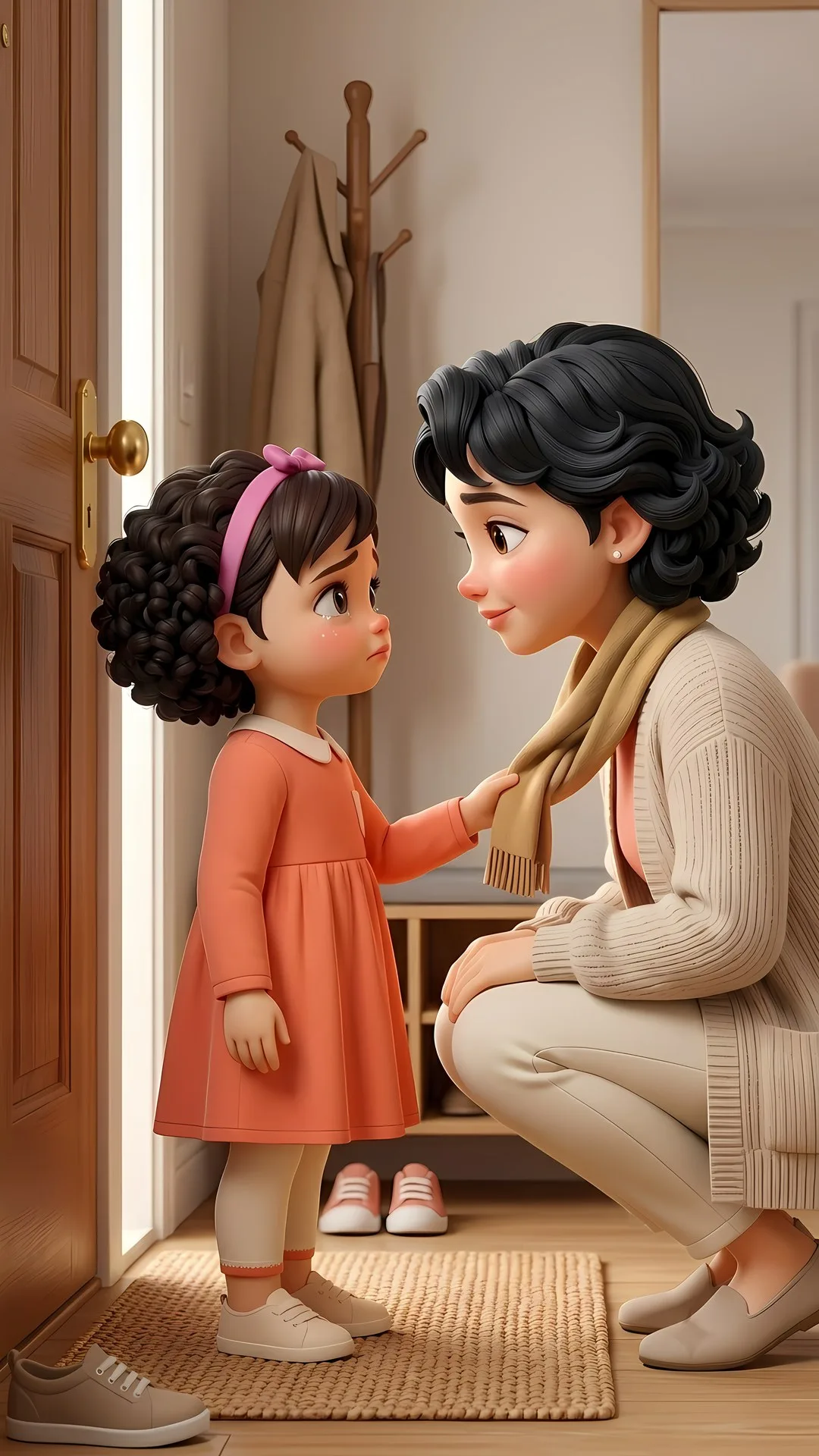
a true story about daily transitions
The Daycare Goodbye Tears: What Actually Calms Her
The second I reach for the door, both arms lock around my leg and the crying starts.
the realization
I stopped trying to make the goodbye tiny and quick. When I said out loud that she was sad and that I'd miss her too, then did the exact same little goodbye every single time, she could actually let go of my leg and walk in.
Every morning it's the same. I get her coat off, hang up her bag, and the moment my hand goes for that door handle, she's on my leg. Both arms. Face buried into my jeans. And then the crying, the real kind, the kind that follows me down the hallway.
have you ever felt this way too?
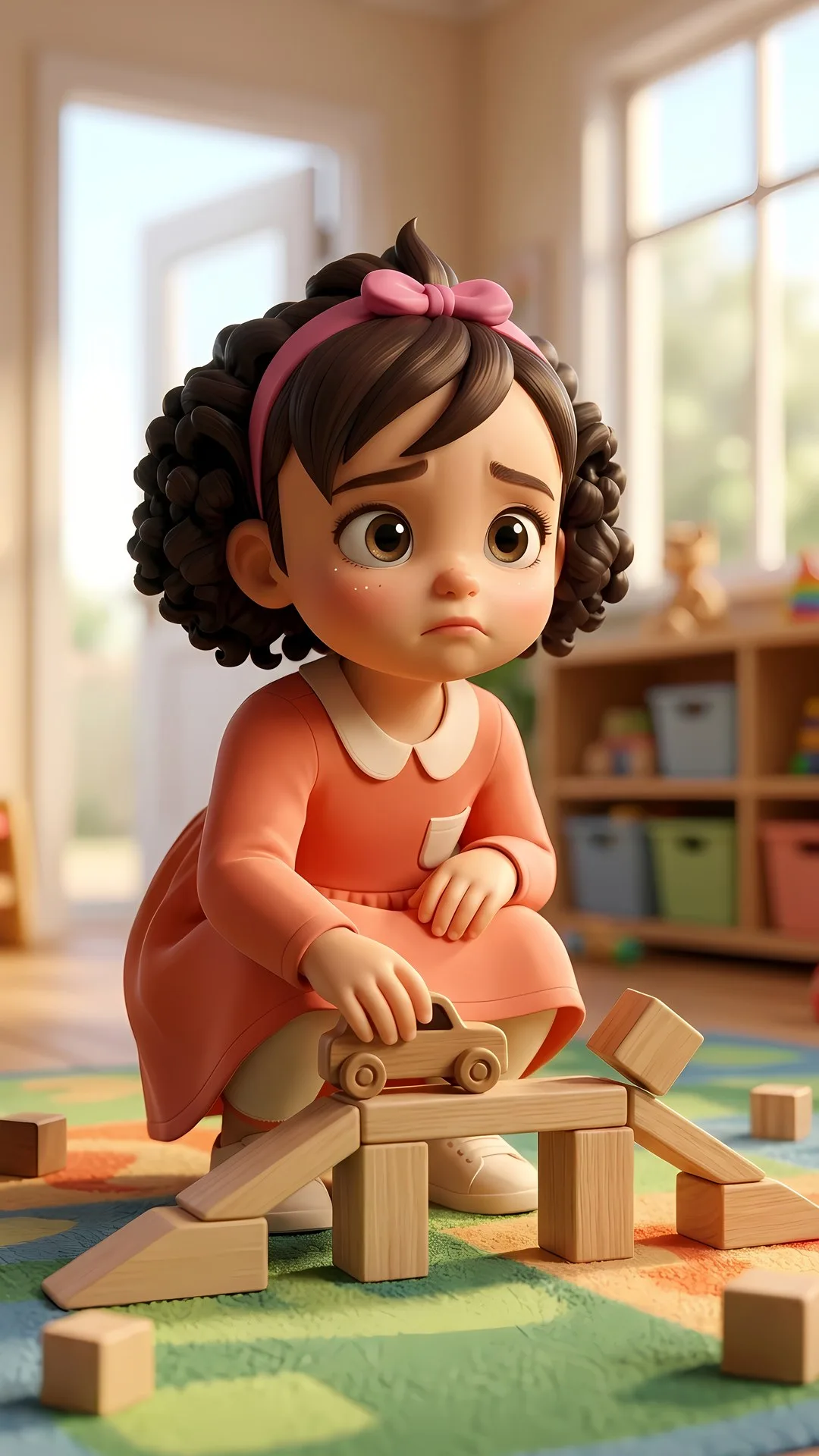
For weeks I tried everything to shrink it. I did the fast sneak-out while she was distracted with the blocks. I did the big cheery voice, 'Okay, bye-bye, have fun!' and practically speed-walked out. One desperate morning I bribed her, a treat for after. And the faster I tried to make the goodbye disappear, the harder she cried. The sneaking made it worse, because then she couldn't trust when I'd actually go.
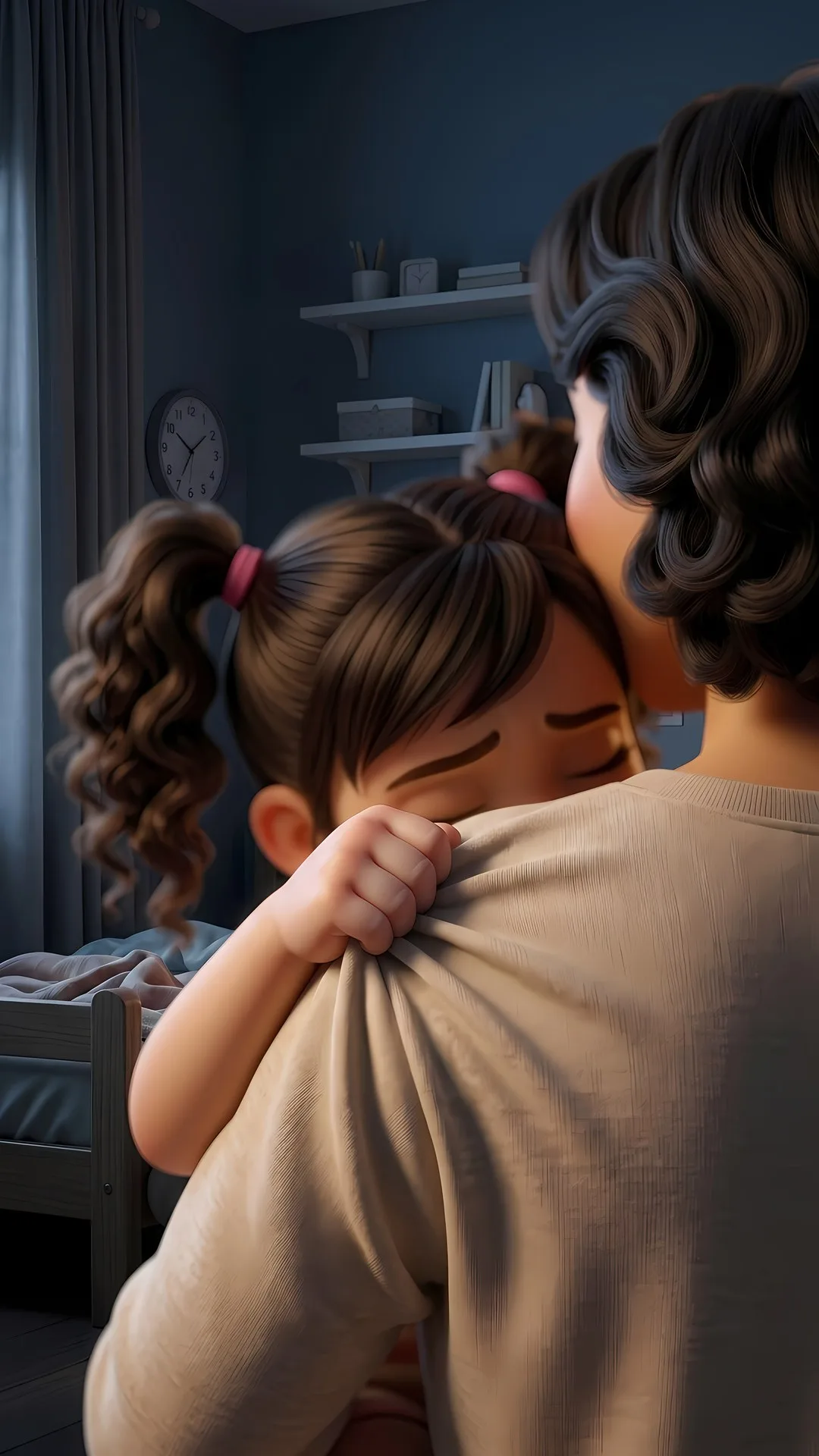
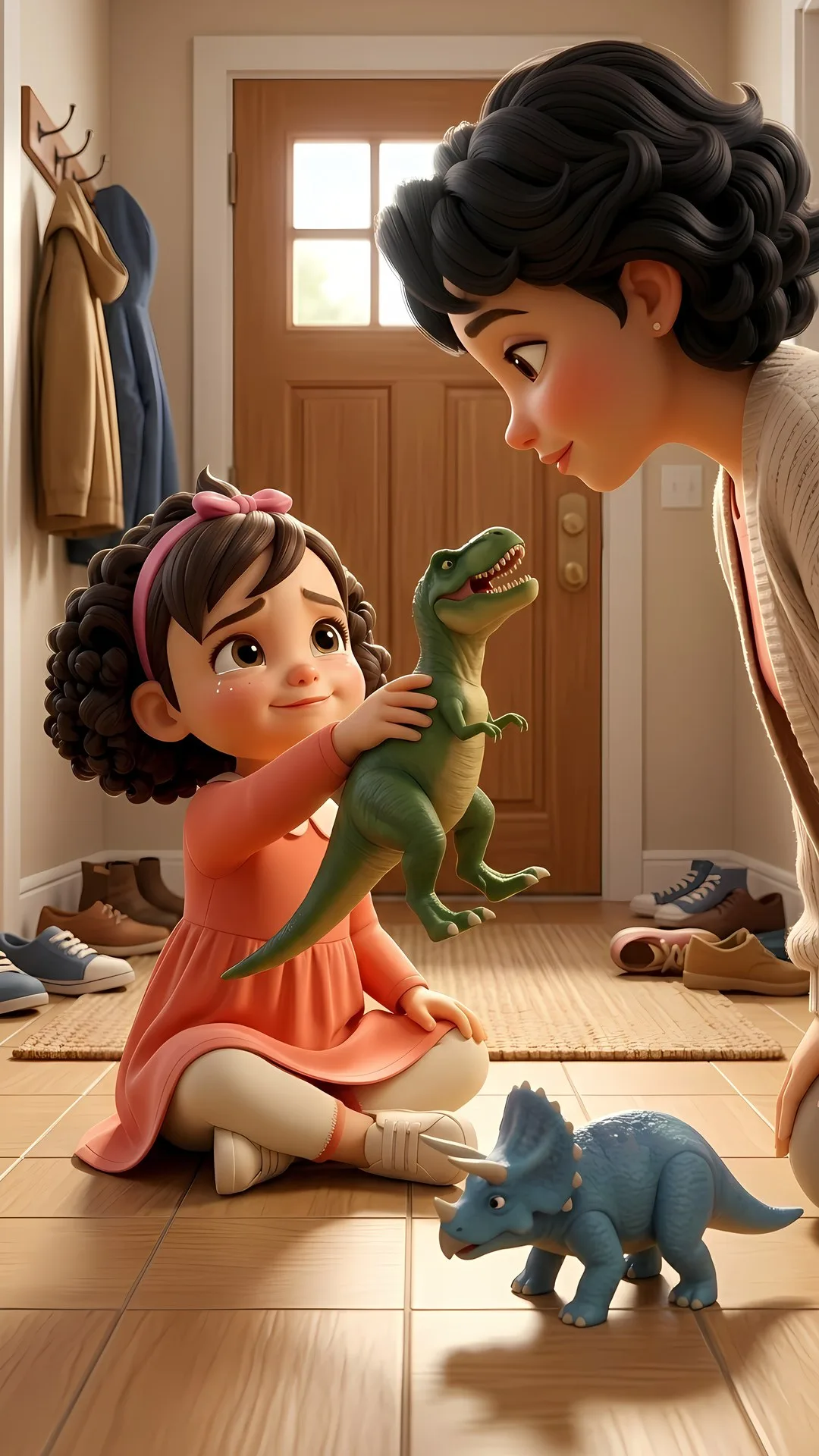
So one morning I just stopped rushing. I knelt down so we were eye to eye, kept my voice slow and low, and I said the thing I'd been trying to skip past: 'You're sad Mommy is leaving. You'll miss me. I'll miss you too.' She didn't magically stop crying. But her body softened a little against me, like somebody had finally said the true thing out loud.
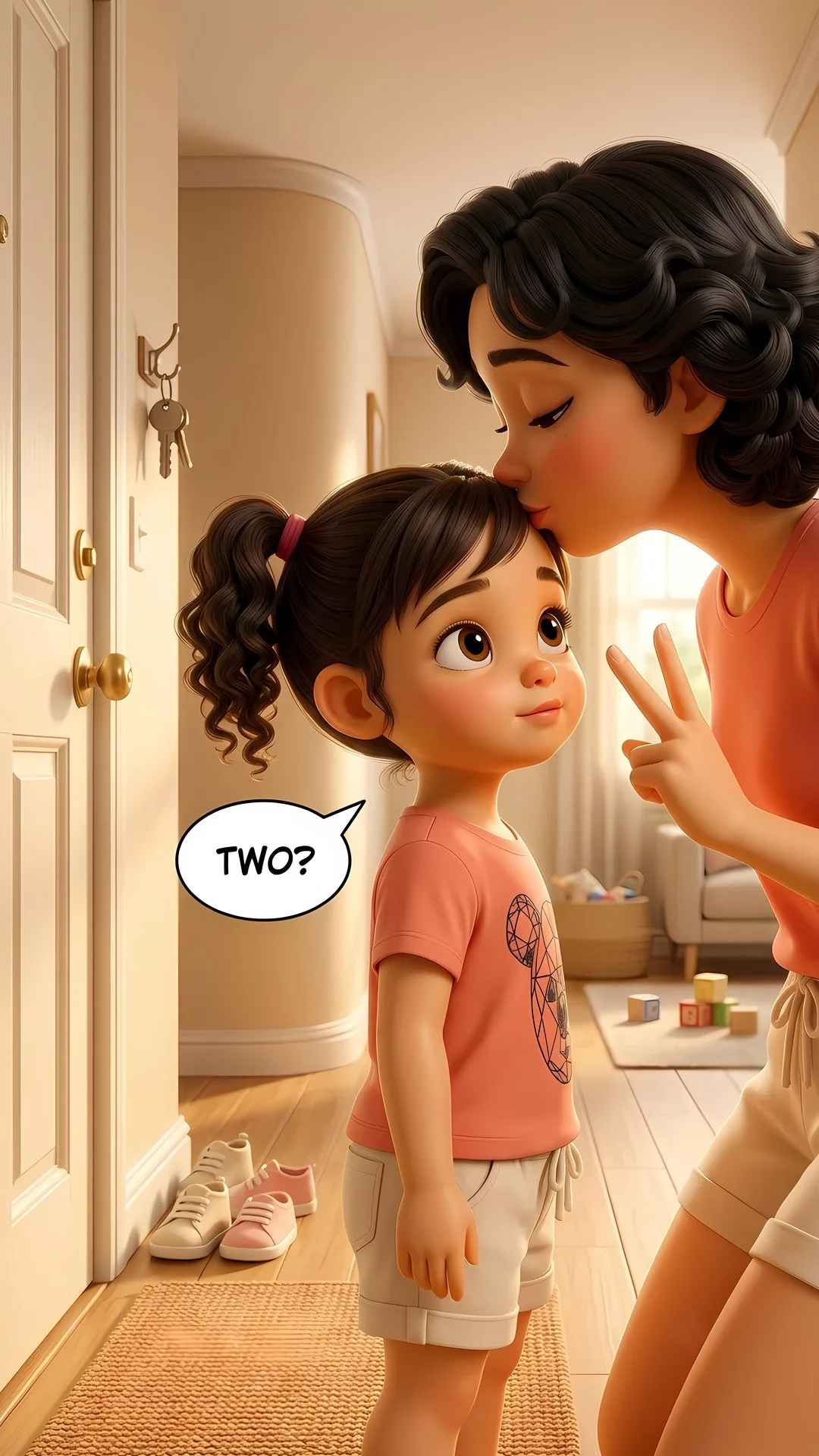
Now we have the same tiny goodbye every time. Two kisses, one on each cheek, and a wave at the window. That's it, every day, so she knows exactly what's coming. This morning she did the two kisses, waved, and turned around and walked into her day.
what I found myself saying
"You're sad Mommy is leaving. You'll miss me, and I'll miss you too."
"Two kisses, then a wave. Same as we always do."
"I'm going now, and I always come back after snack."